About Blackwood
Blackwood Educational Land Institute is a nonprofit organization dedicated to advancing ecological literacy and regenerative land stewardship through education, agriculture, and community engagement.
a regenerative agricultural future.
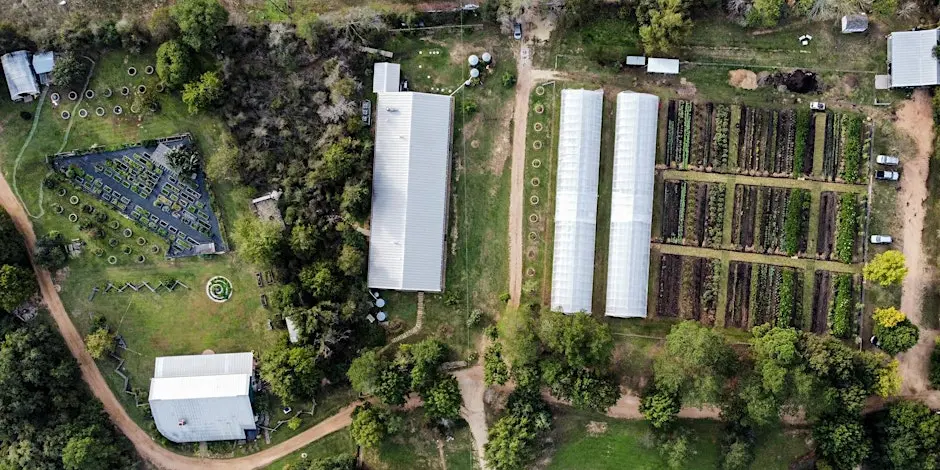
Rooted in principles of regenerative agriculture and closed-loop systems, Blackwood grows food in ways that prioritize soil health, biodiversity, and long-term environmental stewardship. The institute also serves as a living classroom — hosting workshops, research initiatives, farmers market programs, and cultural events that bridge agriculture, education, and community care.
A Word from our Founder...
“No one has yet charted a roadmap to a bright ecological future. If there were one, we would be solving our problems. Only innovative thinkers – those who are willing to venture away from the obvious, who are creative, clever and brave enough to try what seems to be wrong or impossible – will solve our future issues. It is my burning desire to offer young people the encouragement to experiment with what some might consider wrong or impossible, a safe place where they can try, fall, get up, and give it another try.”
.jpg)
Intentionally Rooted
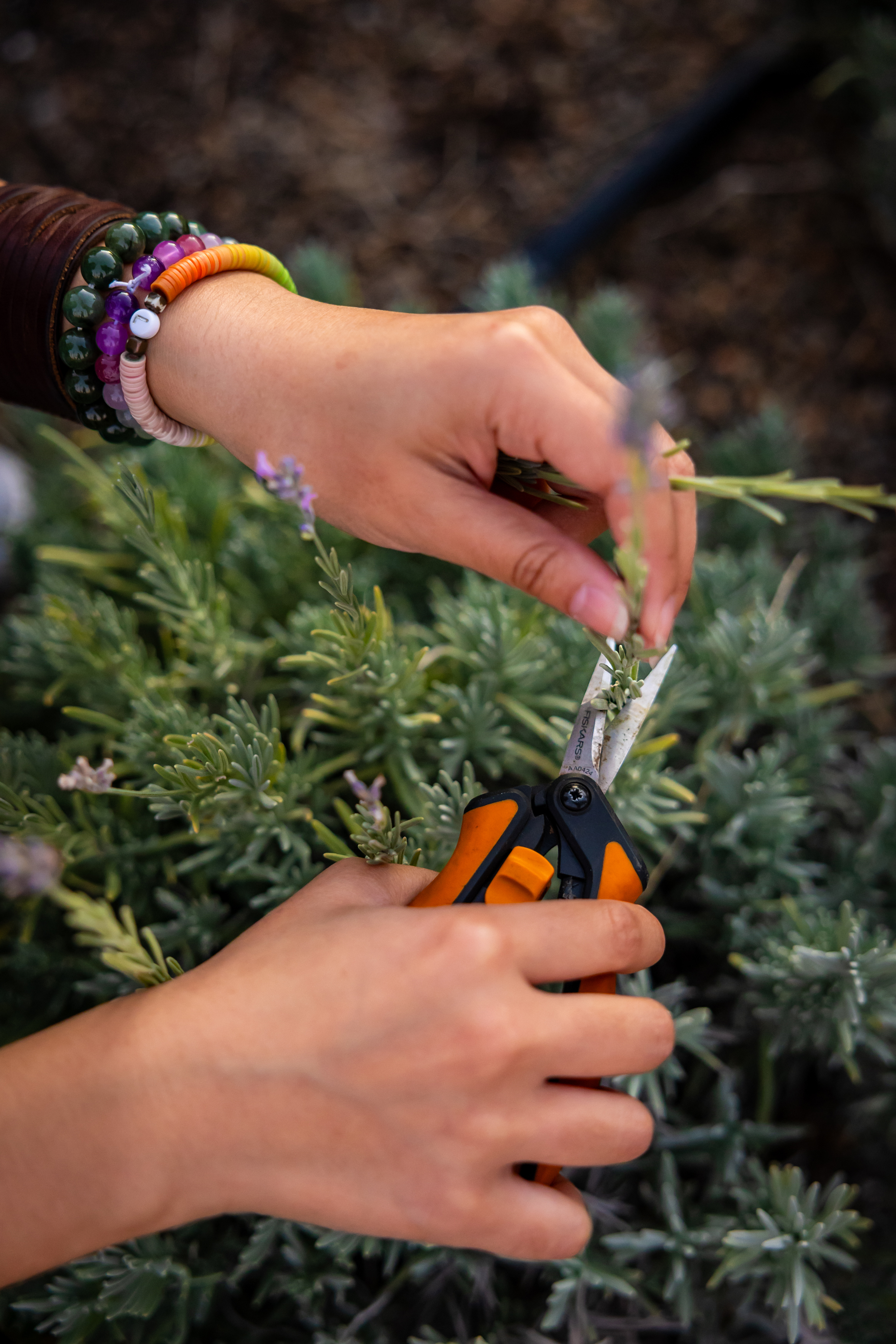
As a nonprofit, Blackwood’s work is rooted in access and impact. The farms function not only as sites of food production, but as educational landscapes where soil health, biodiversity, and sustainable practices are actively cultivated and shared. Every program, harvest, and gathering is part of a broader mission: to foster resilient communities grounded in an understanding of how human and ecological systems are interconnected.
Our programs teach:
About food and where it comes from
The value of community and collaboration
The pleasure of being outdoors.
“You can take the farm out of nature education but you cannot take the nature education out of the farm.”
– Cath Conlon, founder and CEO, Blackwood Educational Land Institute
Blackwood’s Name
As a little girl, Cath Conlon spent her summers in the valley in South Texas on her grandparent’s farm. Cotton was the staple crop there.
When Cath wasn’t playing in the cotton fields, she was hovering over her grandmother in the kitchen. Her grandmother taught her the dying art of canning and how to make delicious recipes from food in the garden. Cath’s grandmother, part Shawnee American Indian, was Lillian Francis Blackwood.
Years later, Cath recounted those summers to a friend, describing in detail the long and enchanting months she spent playing in the fields and how much time she devoted to the kitchen with her grandmother. Her mother standing nearby listened casually. Later, Cath’s mother expressed amusement, “Cath, you didn’t spend the whole summer there or even months, you were there for only one week.”
A child’s mind is amazing, imaginative and curious. Cath’s dream for the place she named Blackwood was that children could invent a whole life of memories from an experience of just one week.
Be apart of the regenerative movement
Reconnect with the land, grow real food, and be a part of restoring the earth in a tangible, meaningful way.