“S” is for Subsistence Farming
Subsistence farming and commercial farming are two very different styles of farming. Subsistence farming is about self-sufficiency, while commercial farming produces crops for global populations.
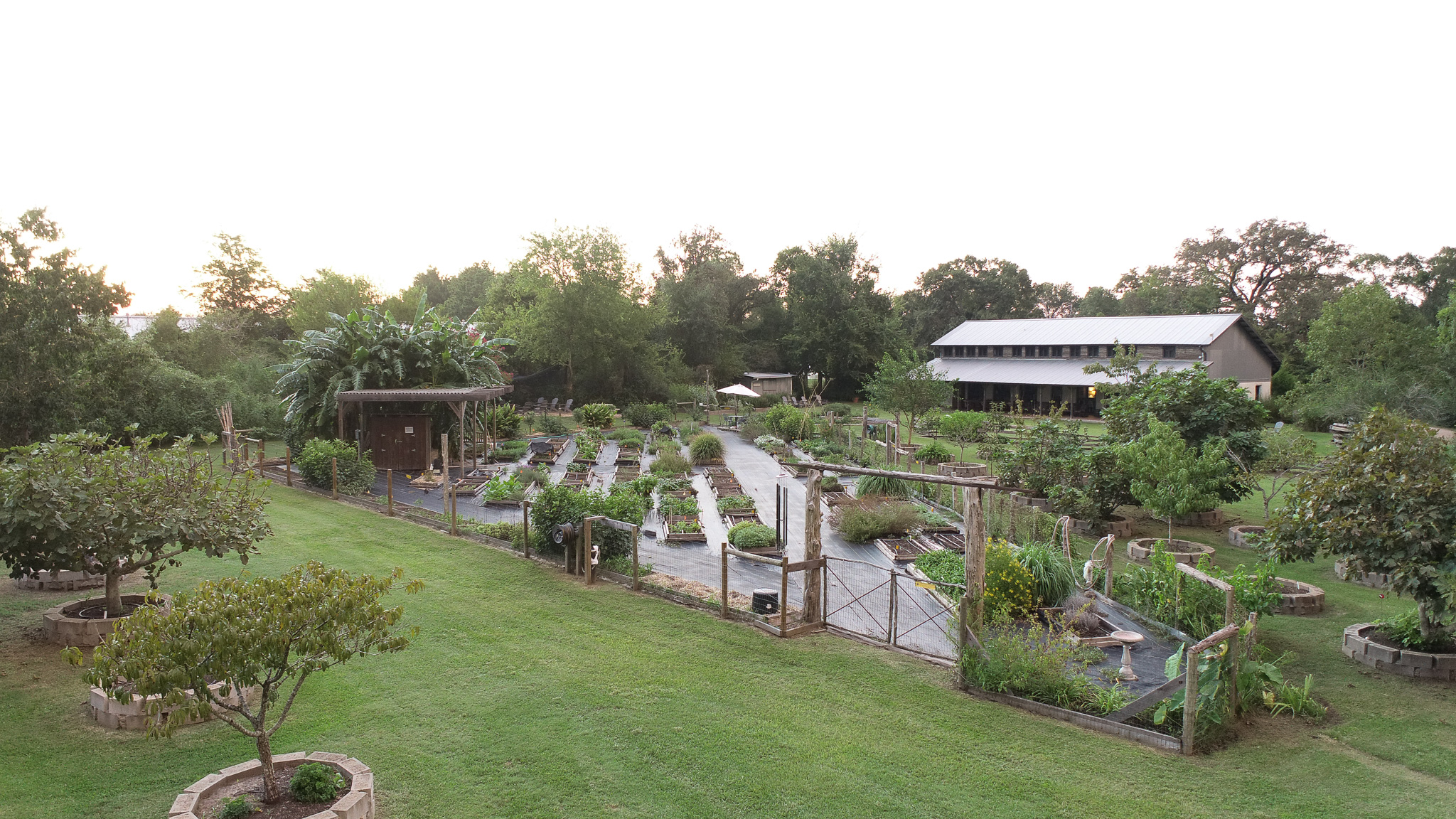
We’re very familiar with commercial farming, where farmers grow their crops to sell and make a profit. Subsistence farming, in contrast, is when a farmer grows only what his or her family needs to survive. Subsistence farming, most common in under developed countries, is all about self-sufficiency. Productivity, compared to commercial farming, is low, and so is the output of harmful pollutants into the environment. (Open Geography Education)
What are the key differences between subsistence and commercial farming?
There are many differences between the two styles of farming, but a few are:
– Involvement in crop and livestock: In subsistence farming, the farmer is almost always involved in both crop and livestock production. In commercial farming, a farmer is typically only involved in one of these areas to yield a higher profit.
– Scale: Subsistence farms are typically much smaller in size to their commercial counterparts. This is because subsistence farming is only geared for a family’s individual needs; excess materials can be sold, but profit is not the primary goal, unlike commercial farms where sheer size is needed to grow more crops or graze more livestock.
– Technology: Commercial farming tends to require more industrial and technologically advanced equipment, which also makes them contribute more pollutants than subsistence farms which are smaller scale and use less or no machinery.
– Chemicals: Subsistence farming rarely uses inorganic pesticides and fertilizers, whereas commercial farms employ them heavily to increase their yield.
– Variety: In subsistence farming, a variety of crops are harvested and livestock are tended to from a need for a diversified food source. However, commercial farms tend to focus on only one or two crops.
The production yield of subsistence farming is not enough to sustain a global population, but its commercial farming counterparts all too often emit massive amounts of pollutants into the atmosphere. A balance that melds the productivity of commercial farming with the environmentally friendly impact of subsistence farming — sustainable agriculture—is the answer to feeding our world safely and effectively. (Subsistence, Commercial, and Sustainable Agriculture)
Be apart of the regenerative movement
Reconnect with the land, grow real food, and be a part of restoring the earth in a tangible, meaningful way.