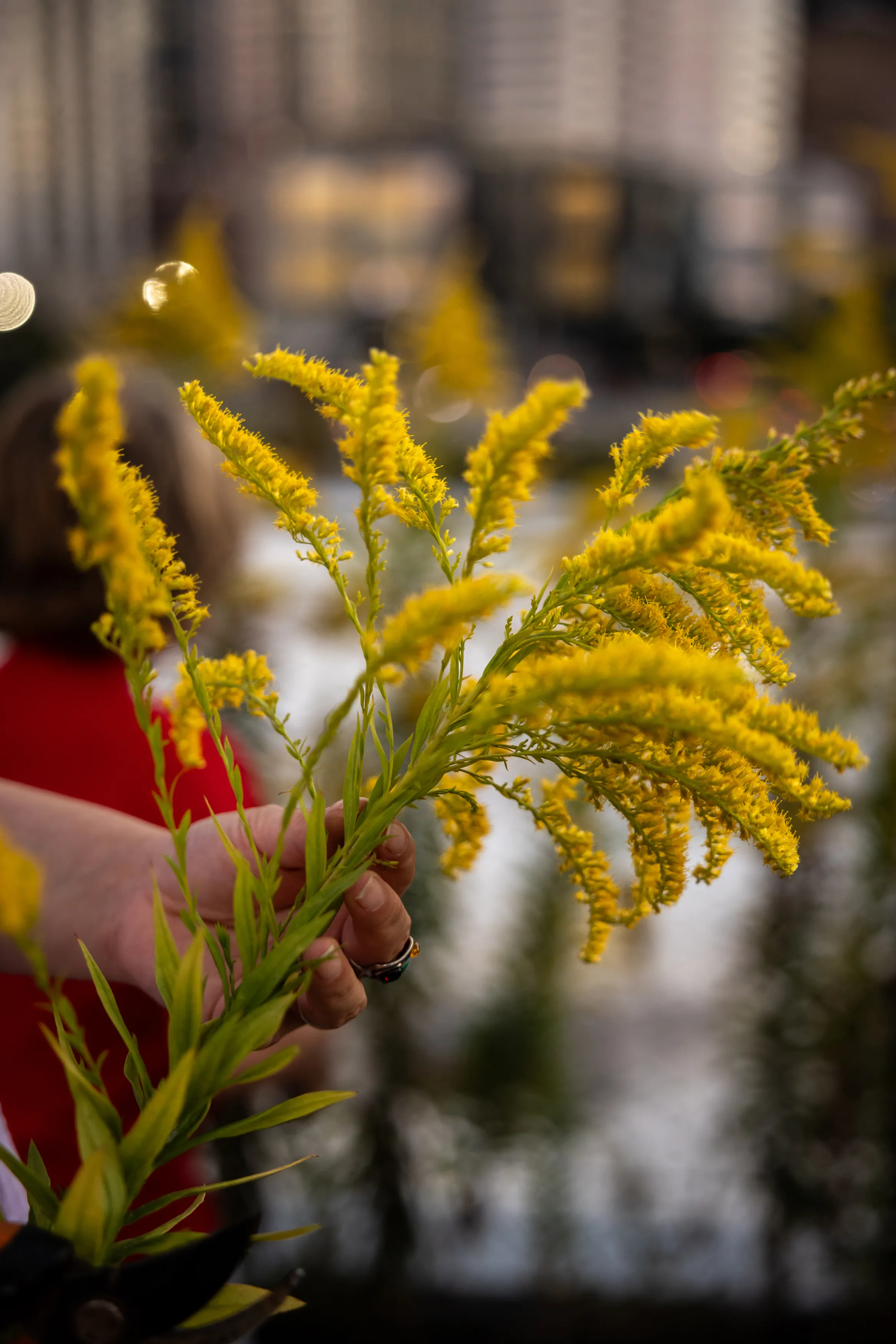
The Field Library
The Field Library is an evolving, living archive created by Blackwood Educational Land Institute to help people experience the rhythms of regenerative agriculture in real time. Designed as both an educational resource and a seasonal record, the library documents what’s happening across the farm — from planting cycles and soil development to crop trials, perennial grains, pollinator activity, weather patterns, and harvests.
Rather than presenting farming as a static idea, the Field Library invites visitors to witness agriculture as a living system that changes day by day and season by season. Through field notes, photography, research observations, maps, and storytelling, the project creates a transparent window into the ecological processes shaping the land, while making regenerative farming more accessible, understandable, and participatory for the wider community.


Sam Cummings on why compost is the engine of healthy soil, and the three kinds now working at Blackwood: a hot pile, a cinder block home for red wigglers, and black soldier fly larvae.
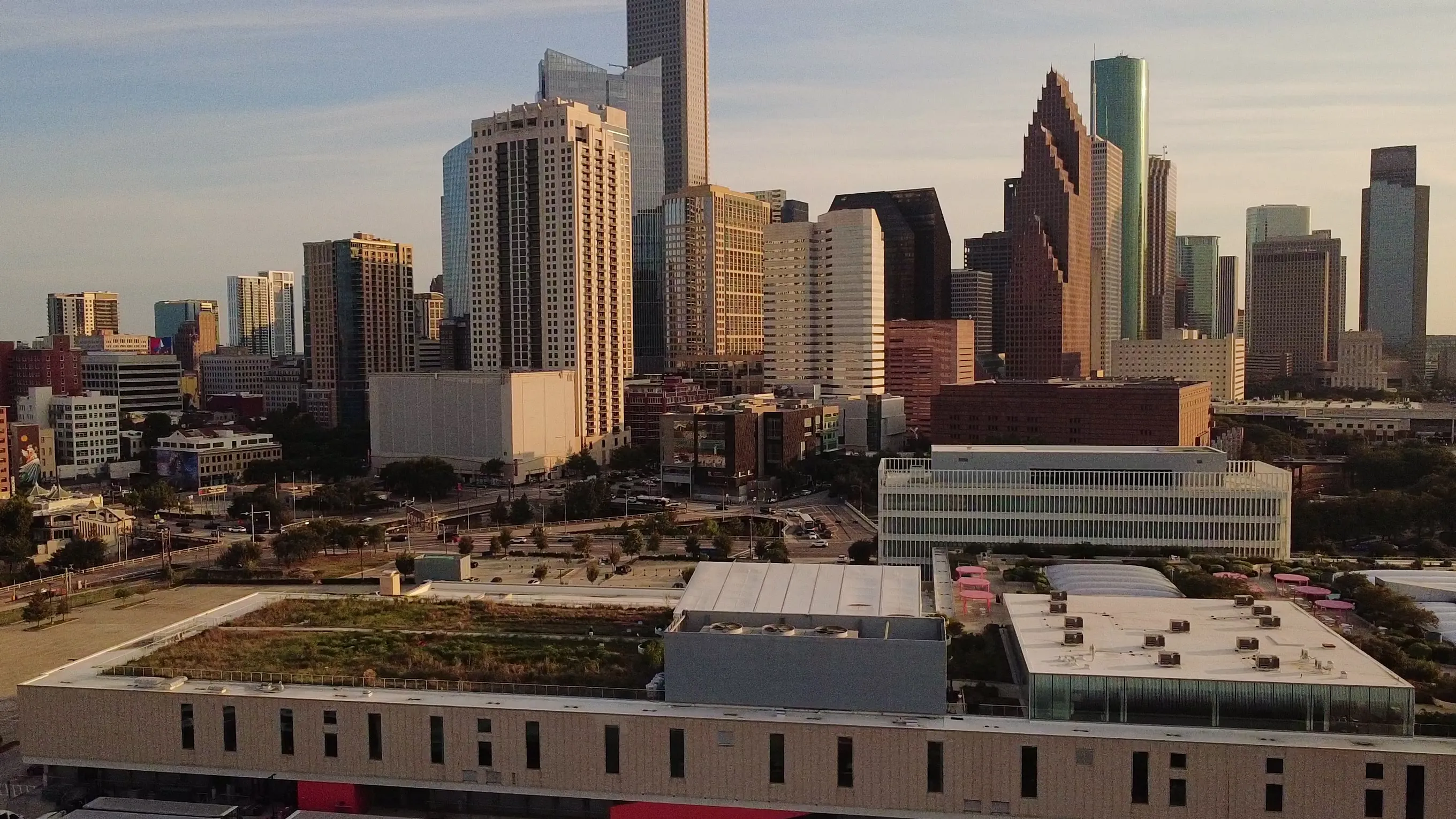
Andrew Whit on what an acre of living soil four stories above downtown Houston is teaching Blackwood: temperatures about 31 degrees cooler, about 75 percent less water, and killdeer nesting on the roof.
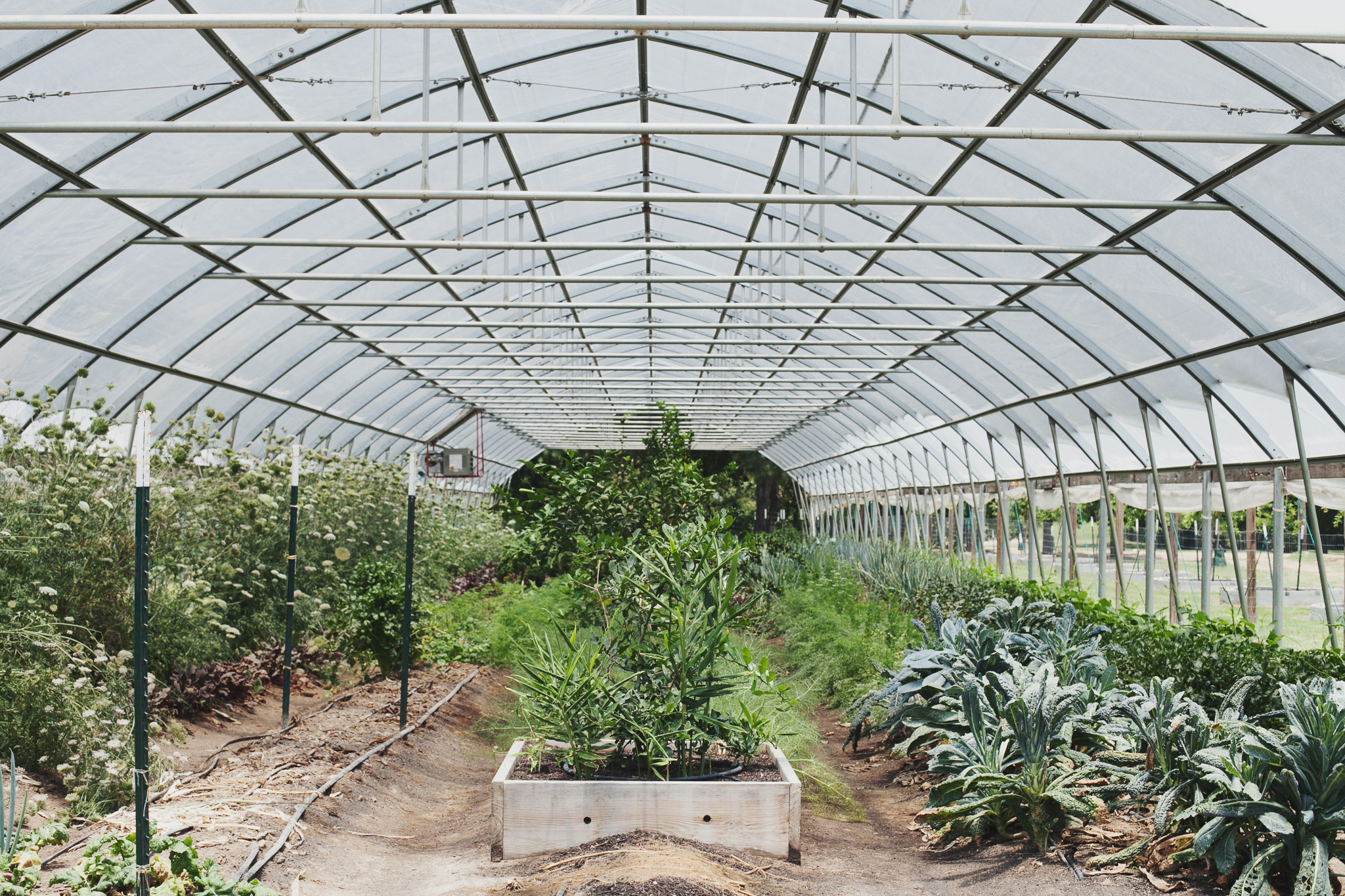
Cath Conlon on a visit to the Danforth Plant Science Center, a quinoa plant that already knew how to handle salt, and why Blackwood wants to keep asking what we don’t know yet.
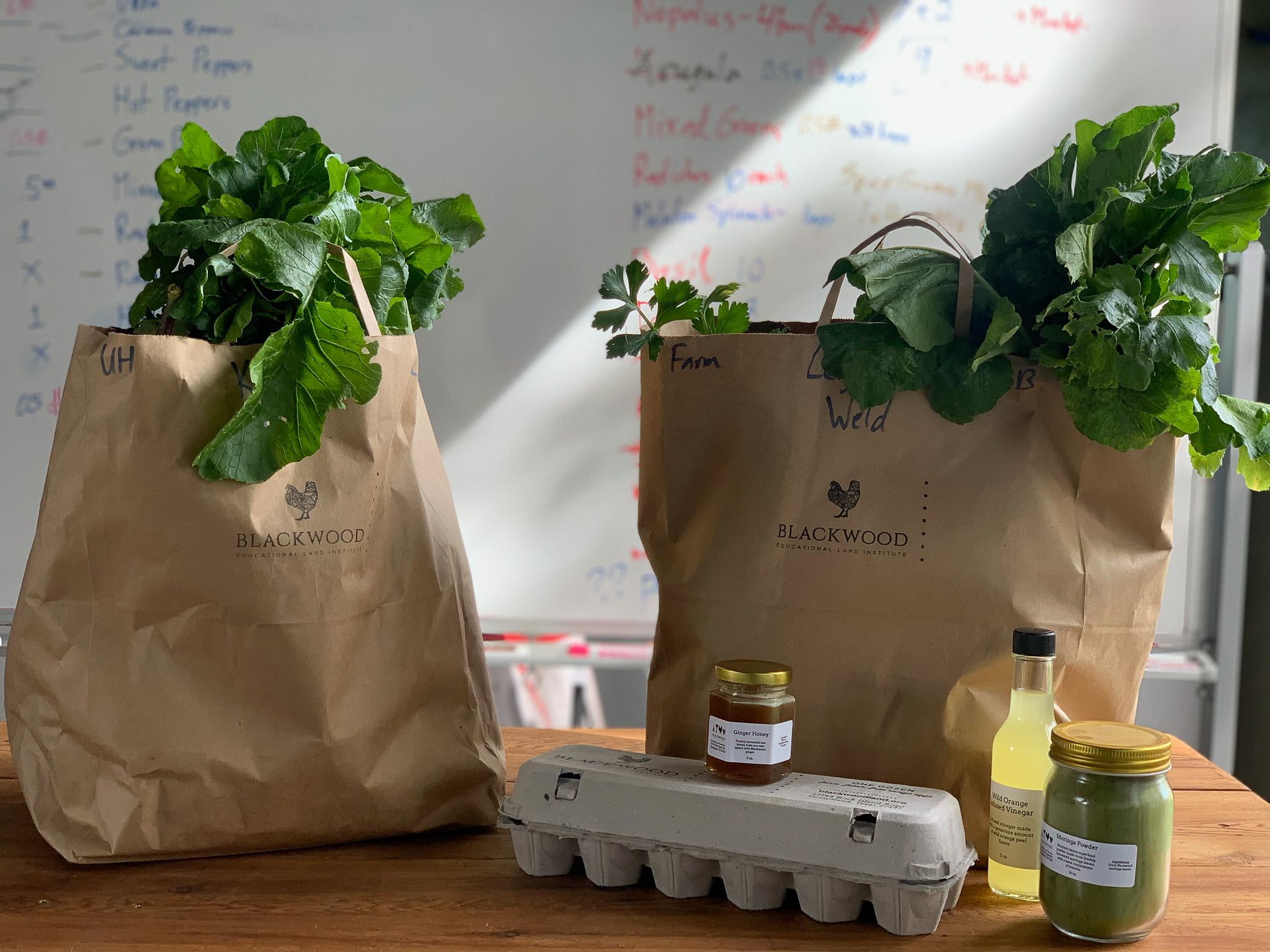
Sarah Weisfeld on the lost connection between people and their food, and why knowing your farmer and sharing a slow meal might be part of the cure.
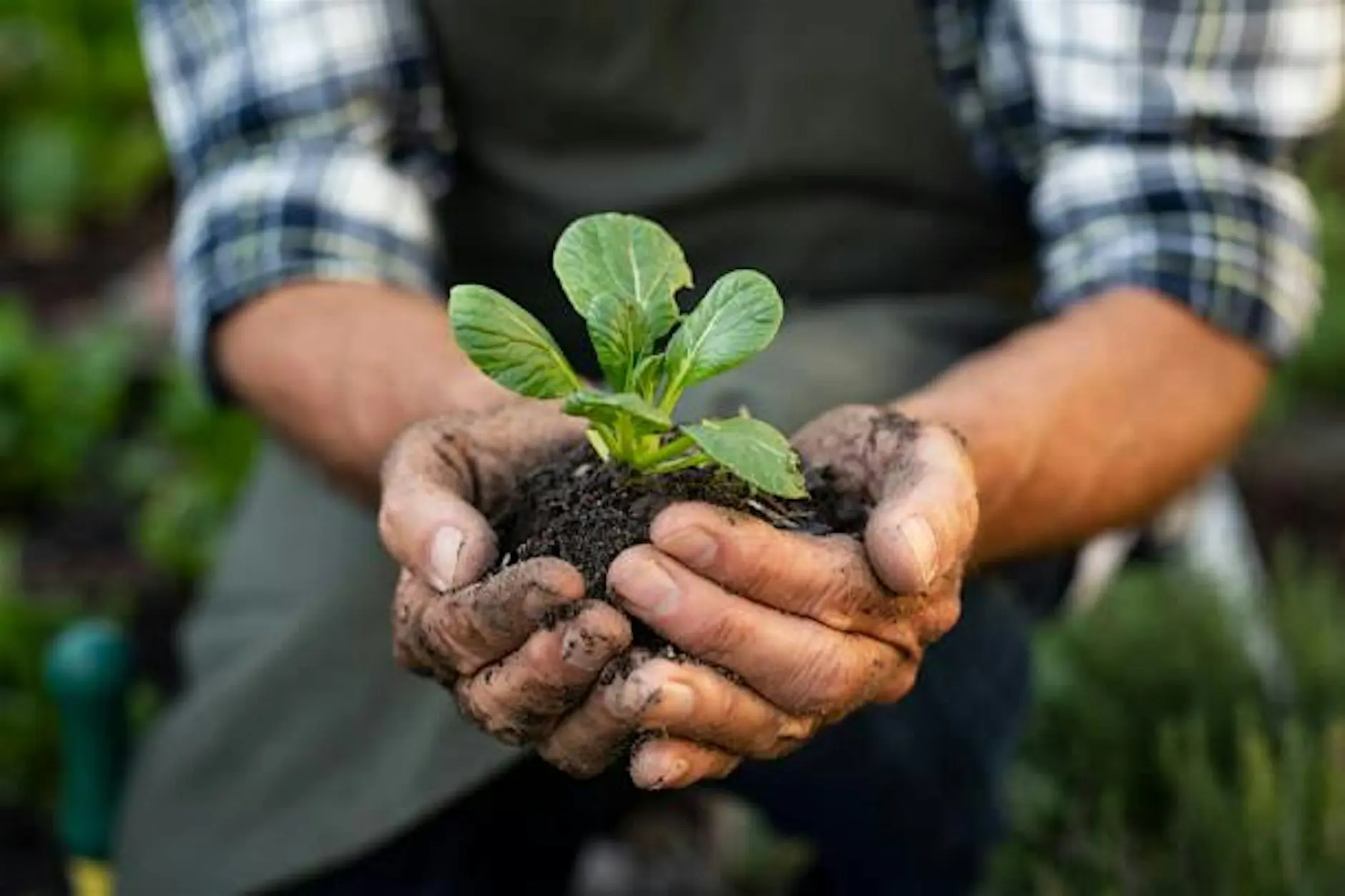
Kara Vargas walks through a day of volunteering at Blackwood, from the quiet of the morning to the moment the farm starts giving something back.
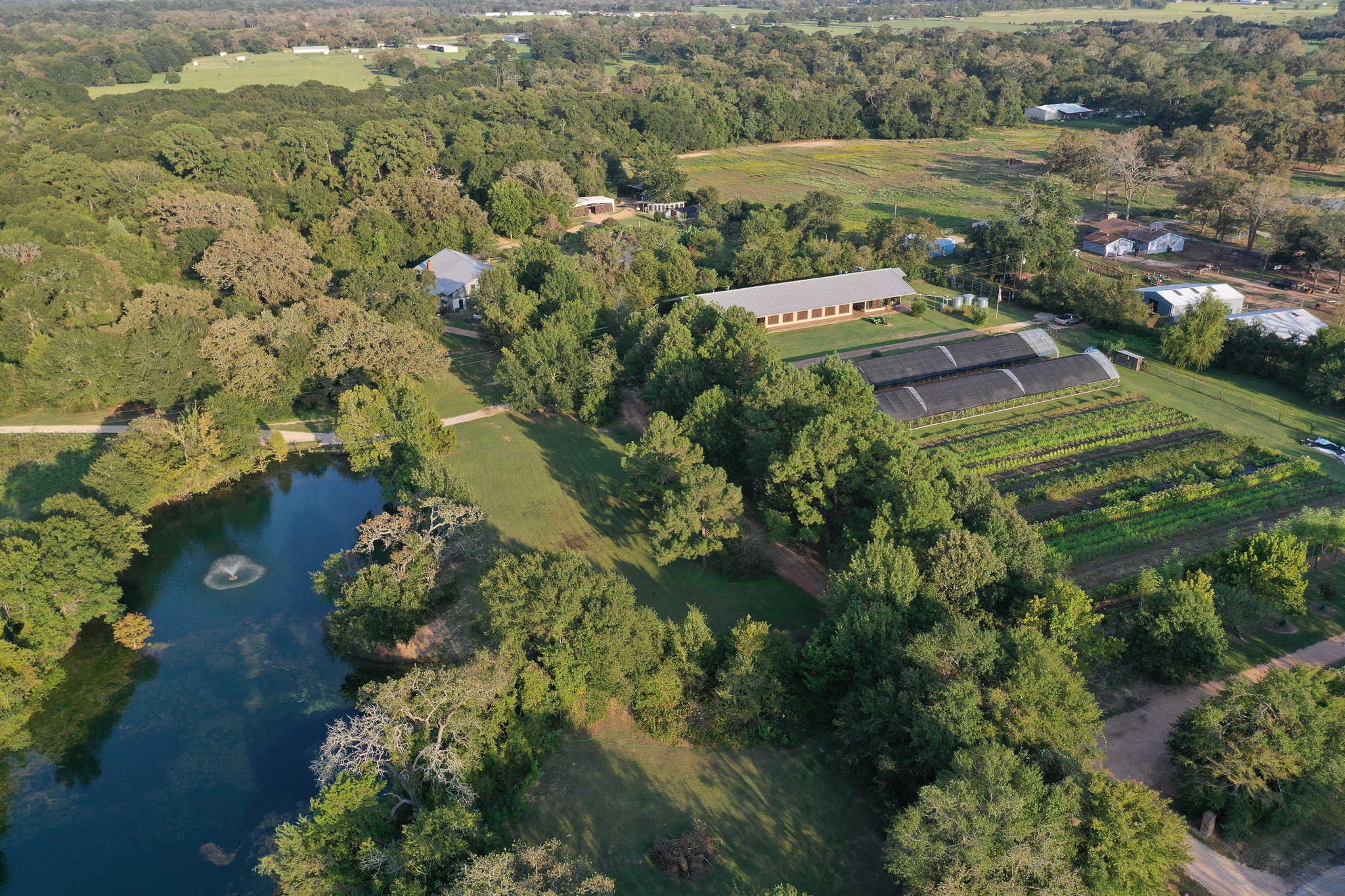
Hayley Webster Guerra reads Aldo Leopold’s land ethic through her own family’s farm, where the Golden Rule means treating the land as you would want to be treated.

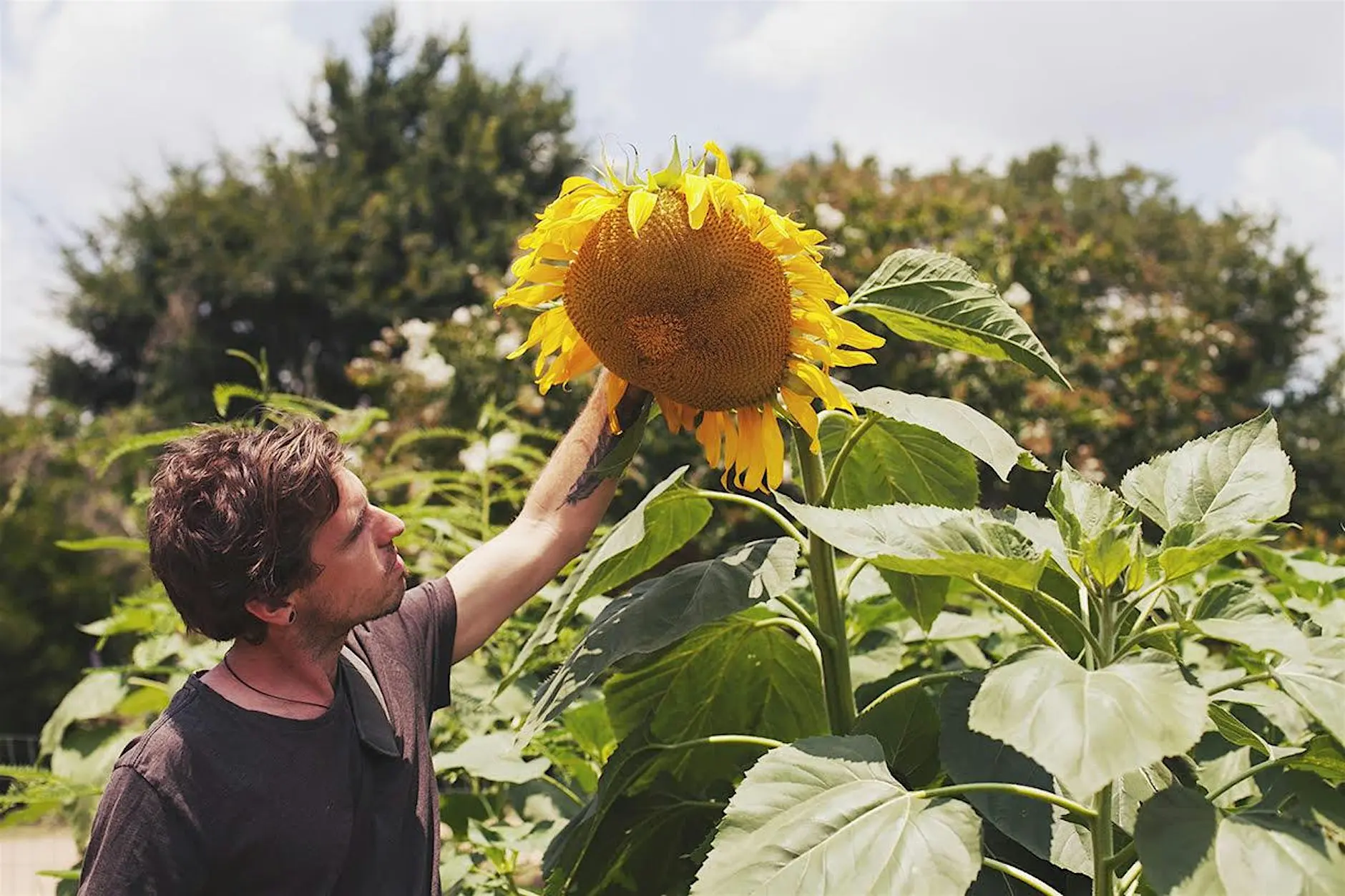
Skyfarmer Patrick Grady on why sunflowers are more than a symbol of joy: they scavenge nutrients for the fall crops that follow and pull heavy metals out of the soil.
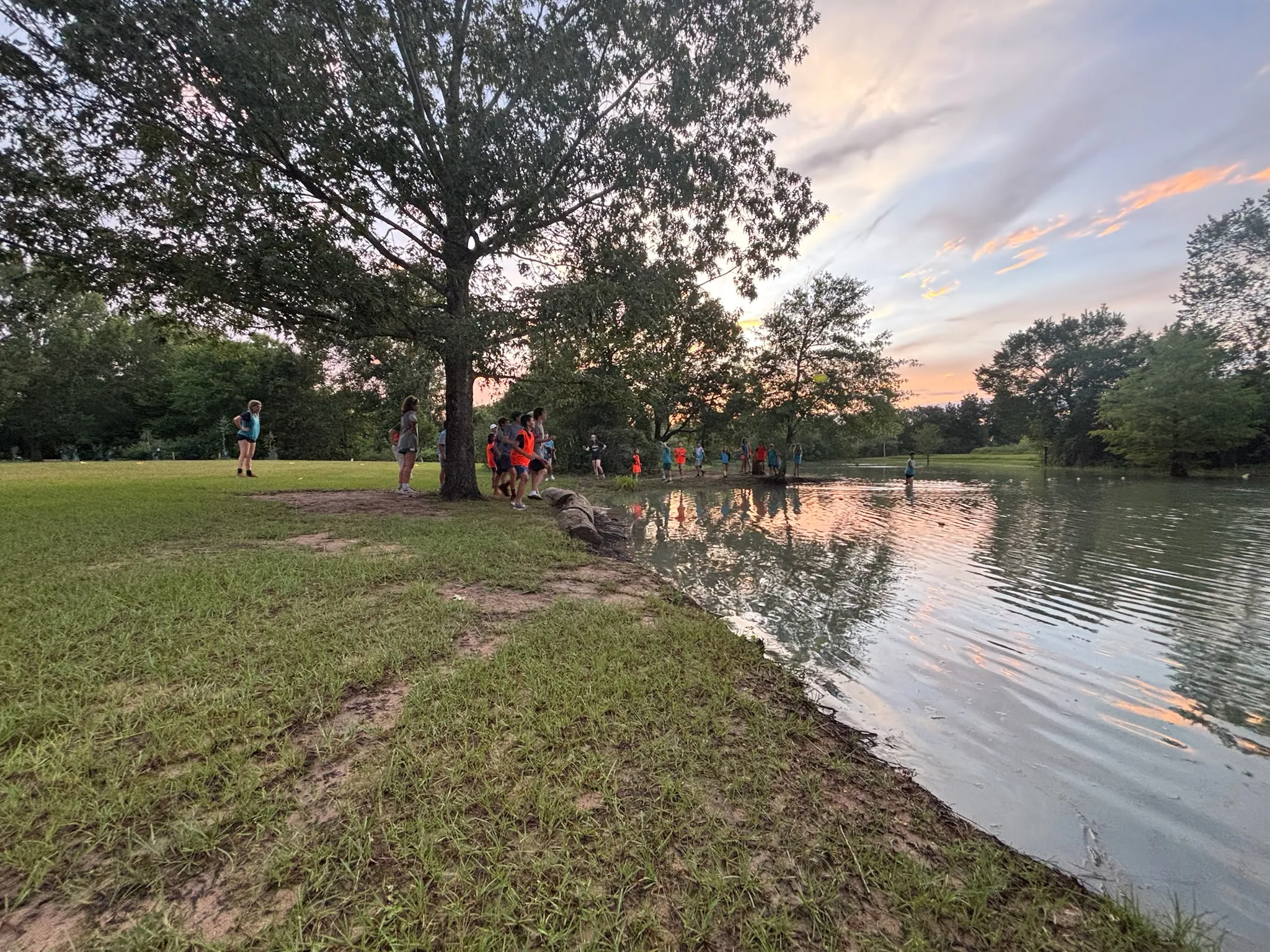
Sam Cummings looks back on a first summer as director of Blackwood Nature Camp: capture the flag in the forest, real conversations at the lunch table, and the two things that make camp here unlike anywhere else.
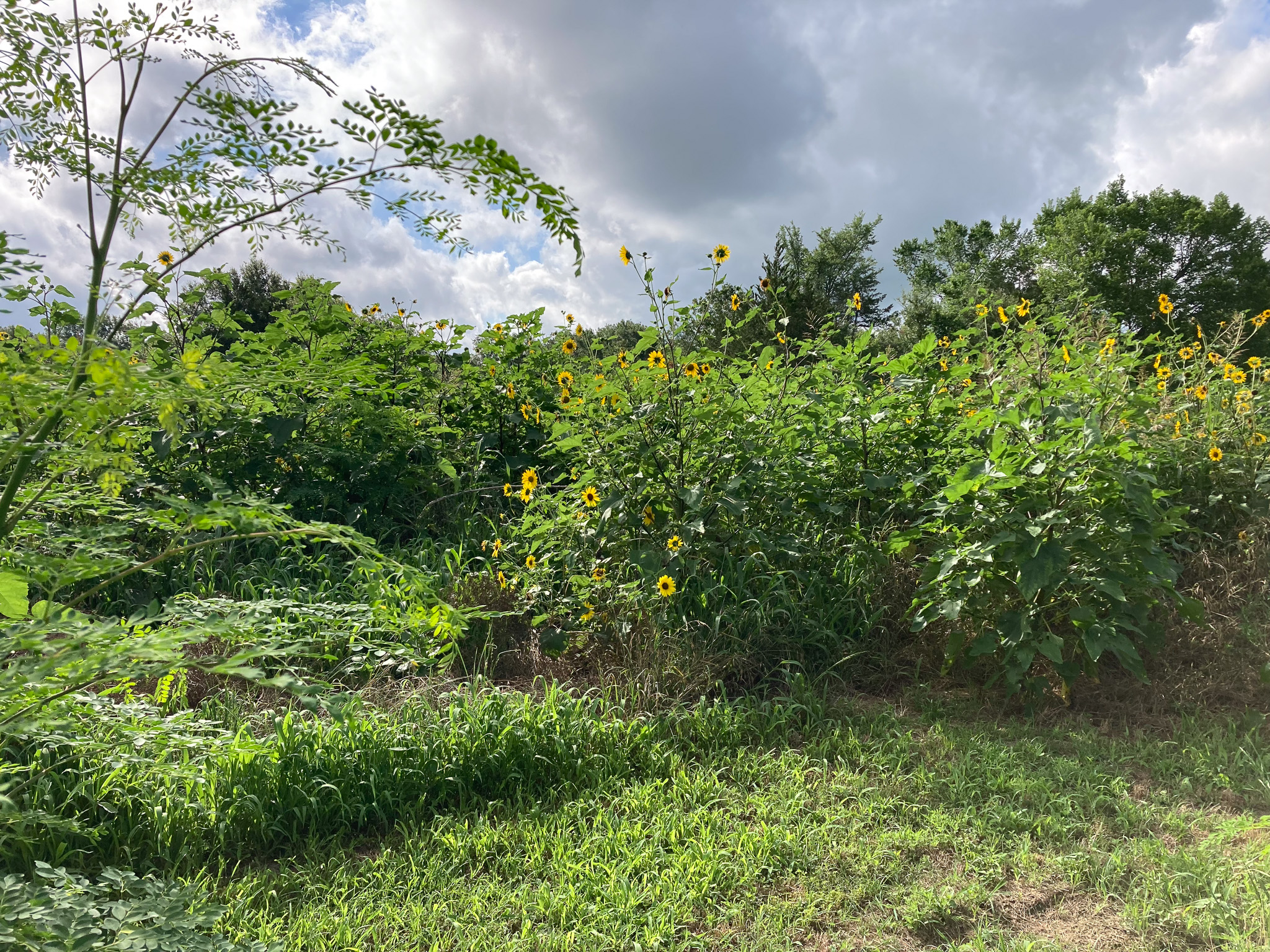
When Blackwood set out to become certified, the path to USDA Organic ran into the very thing that makes this farm what it is: children on the land. Sar Yashinskie on finding Regenified, the 6-3-4 Verification Standard, and learning to ask what the soil needs.
September 17, 2026
Edible Wildscapes Field Notes
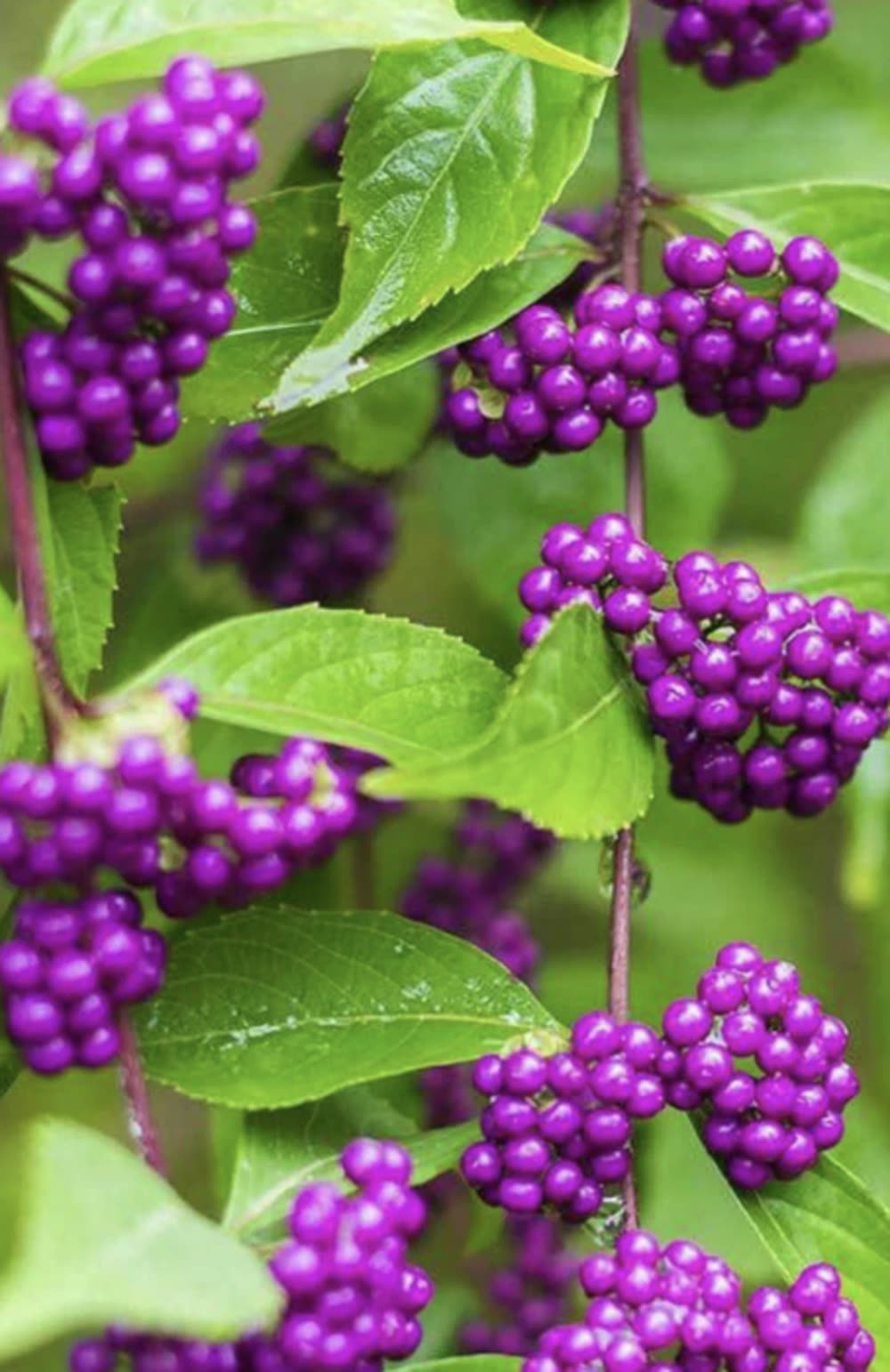
Field notes from Edible Wildscapes, part of Blackwood's Food as Medicine Series with the Nature Discovery Center. Seven edible native plants, how to use them, and how to forage safely.
September 12, 2013
Nature Camp 2014
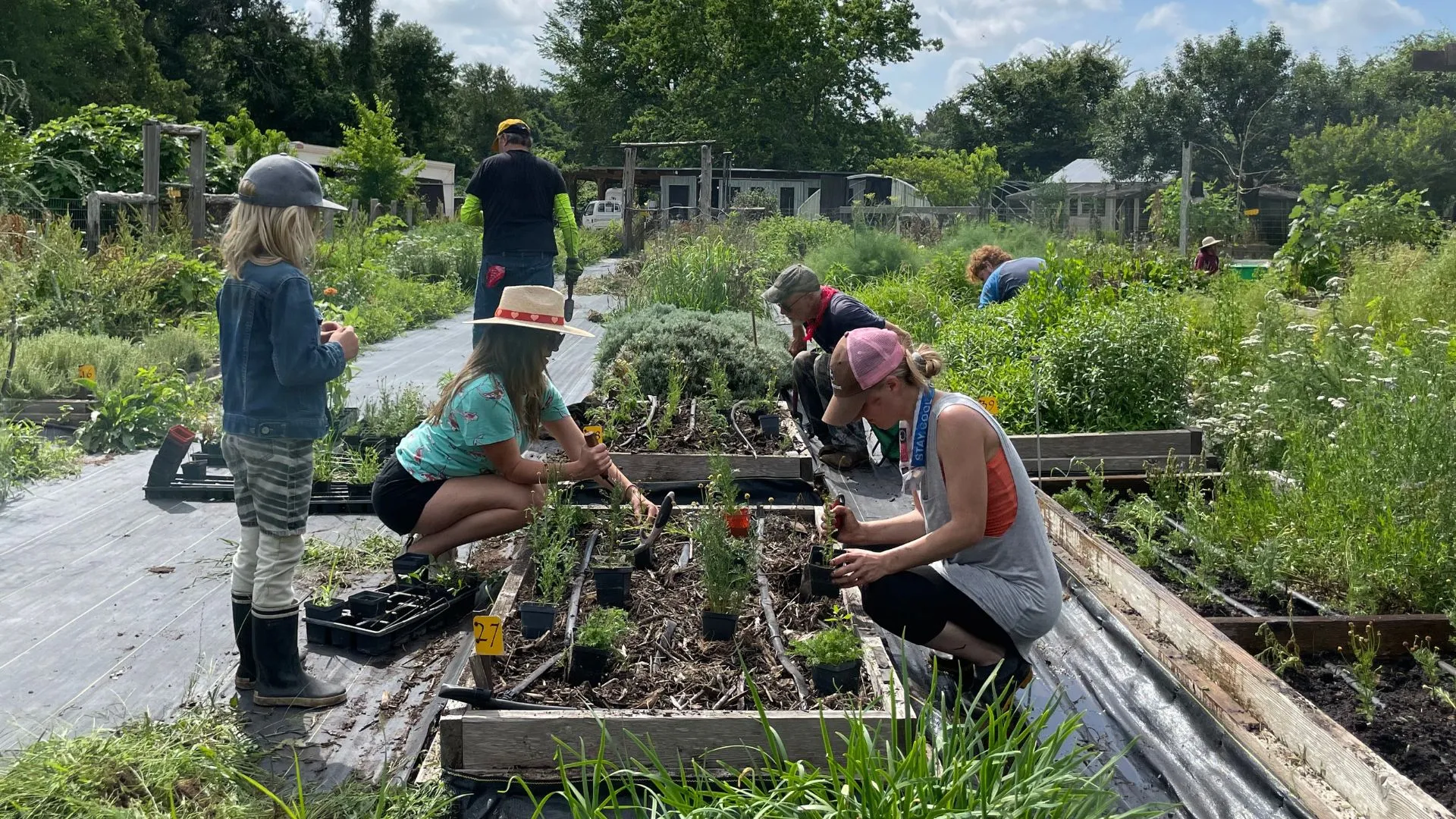
Blackwood Nature Camp is transforming – changing perceptions, heightening awareness, changing lives through thoughtful programming, adventure, and environmental education.
September 12, 2013
Cath Conlon: Bringing Life to the Land
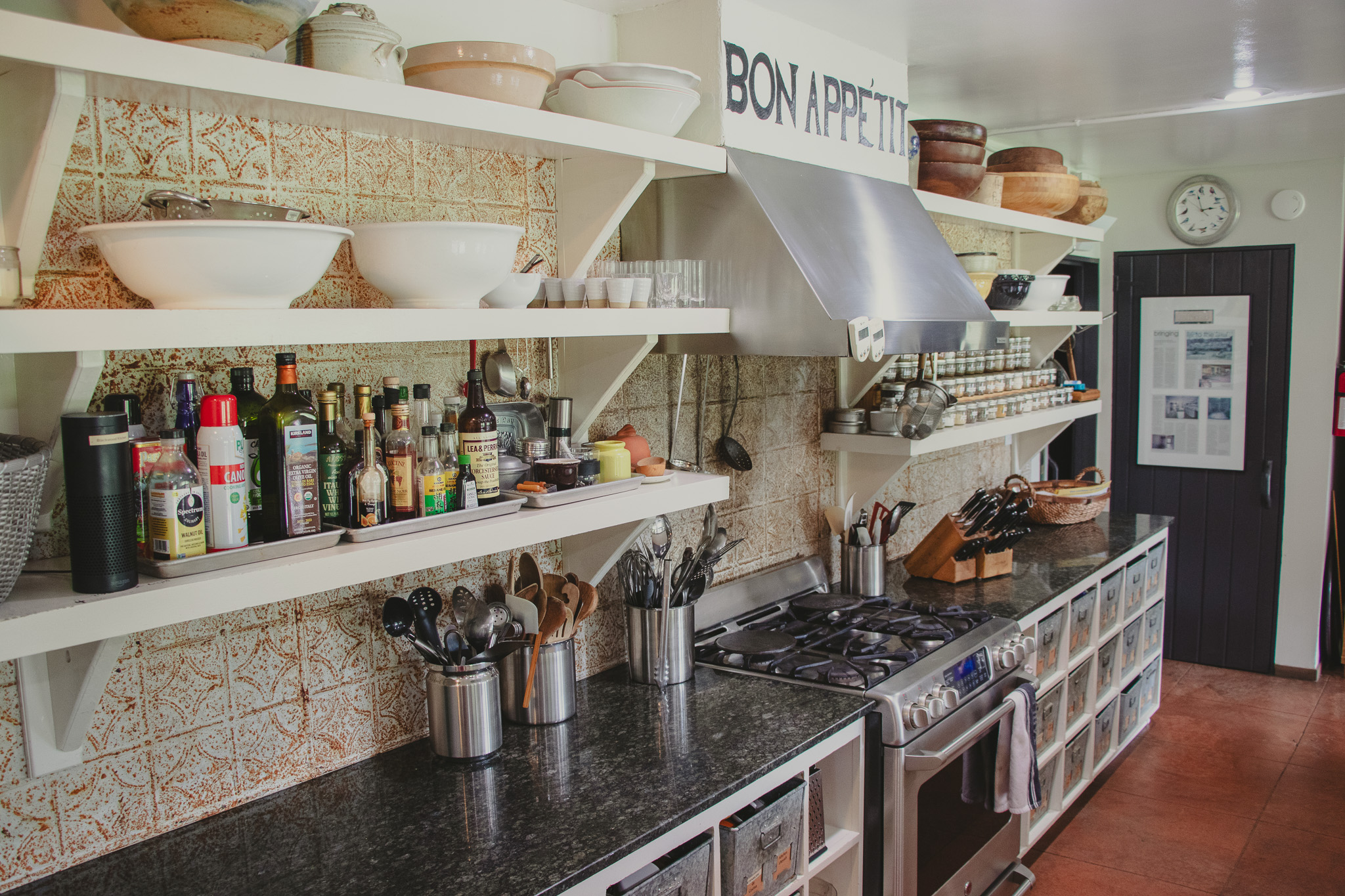
Cath Conlon has created a magical oasis a mere hour’s drive from the third largest city in the country. Carved out of the land, yet intrinsically a part of it, Blackwood Educational Land Institute offers its Houston-area visitors a sense of peace and tranquility rarely found in daily life.
August 11, 2014
Dahr Jamail | Farming for the Future
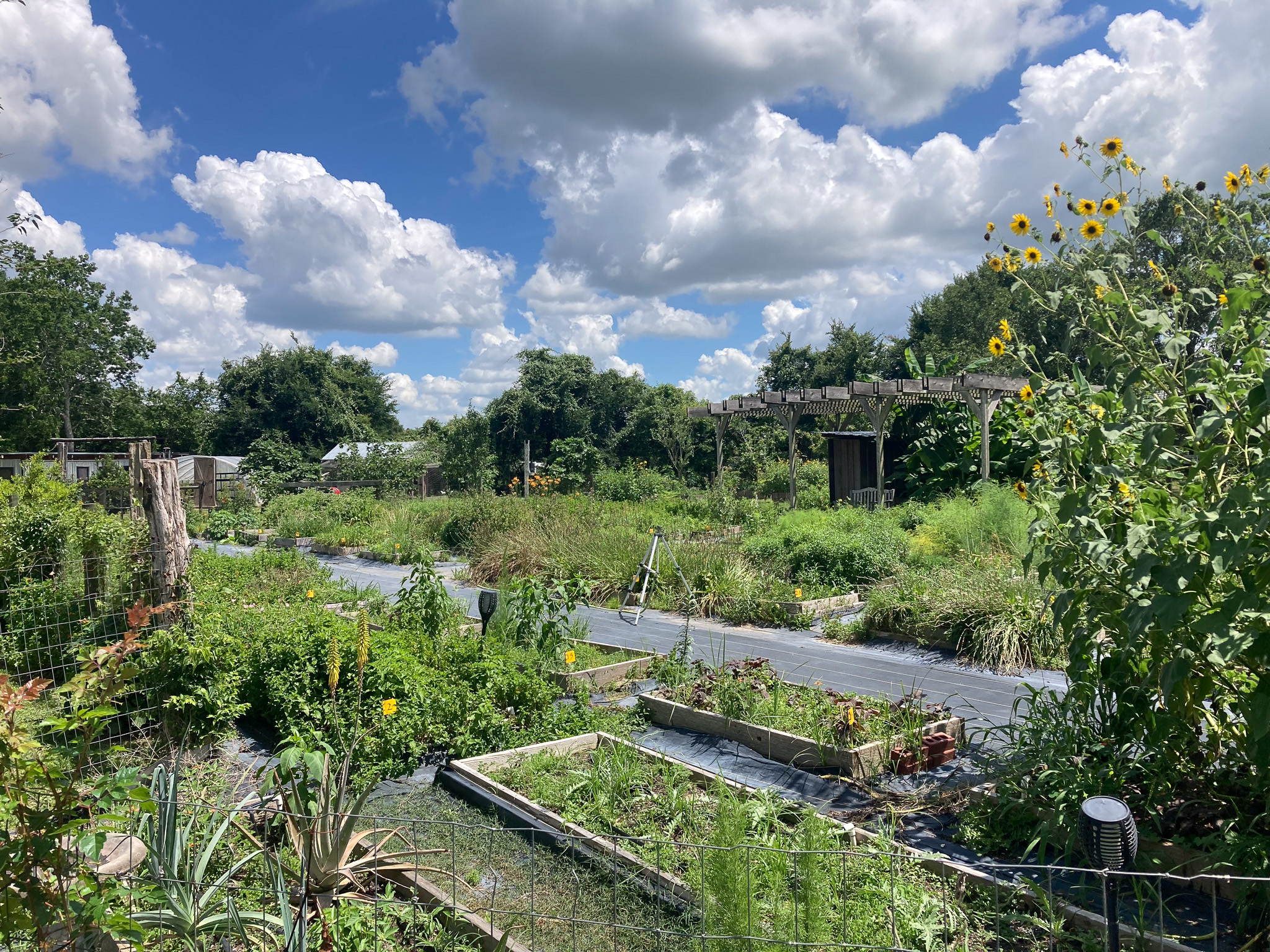
As the impacts of anthropogenic climate disruption (ACD) continue to escalate, drought, wildfires, flooding and other extreme weather events continue to intensify and last longer as a result.
August 27, 2014
The Farmer Editorial: Mushroom Compost
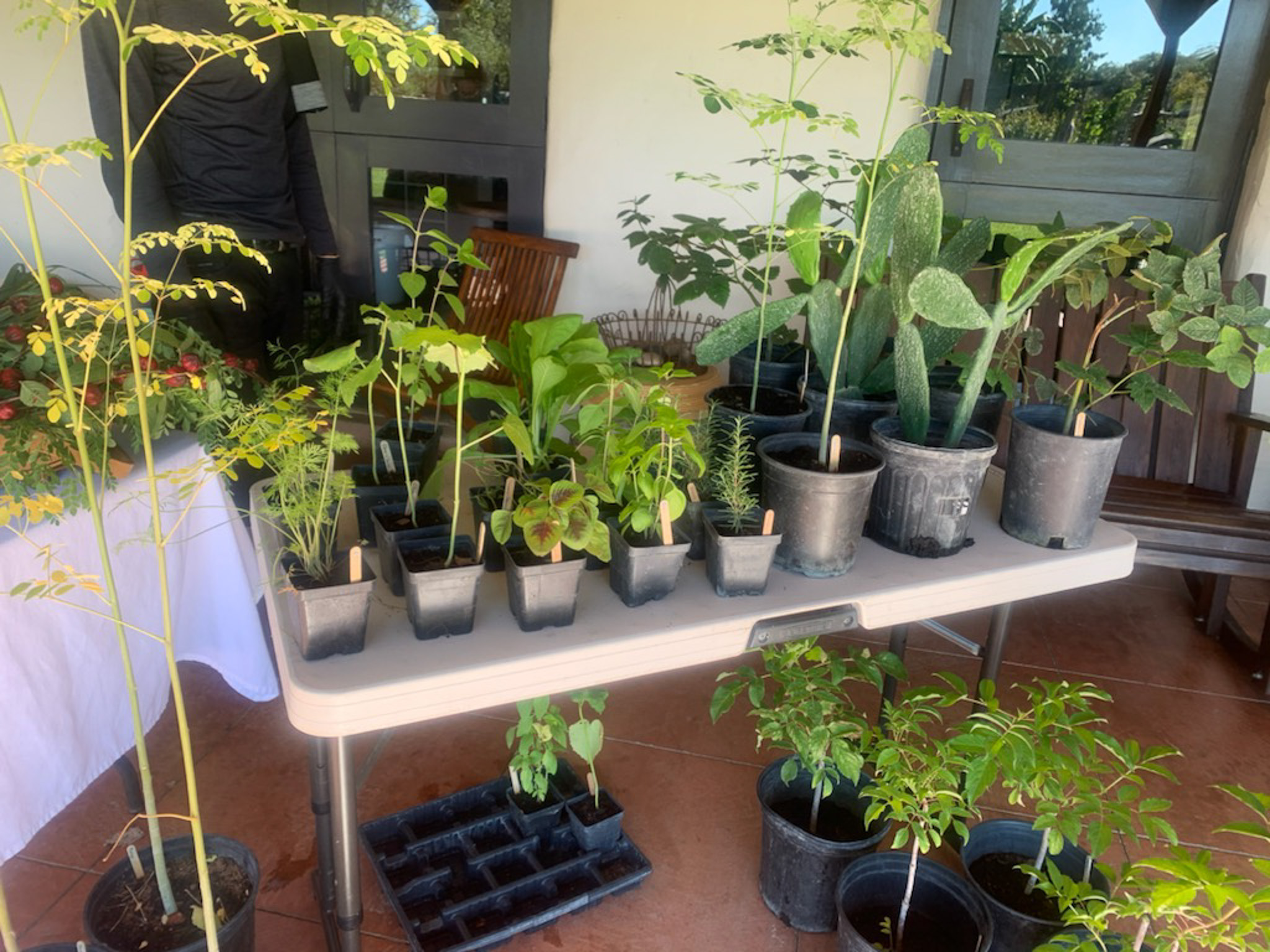
I’ve been asked this question at least 5 times in the last year so I figured it was time for a bit of due diligence, to bring myself up to date. The last review I did on mushroom compost, over 10 years ago, left me with a with a “I’ll definitely pass” answer.
September 3, 2014
Propagation Thursday at Blackwood!
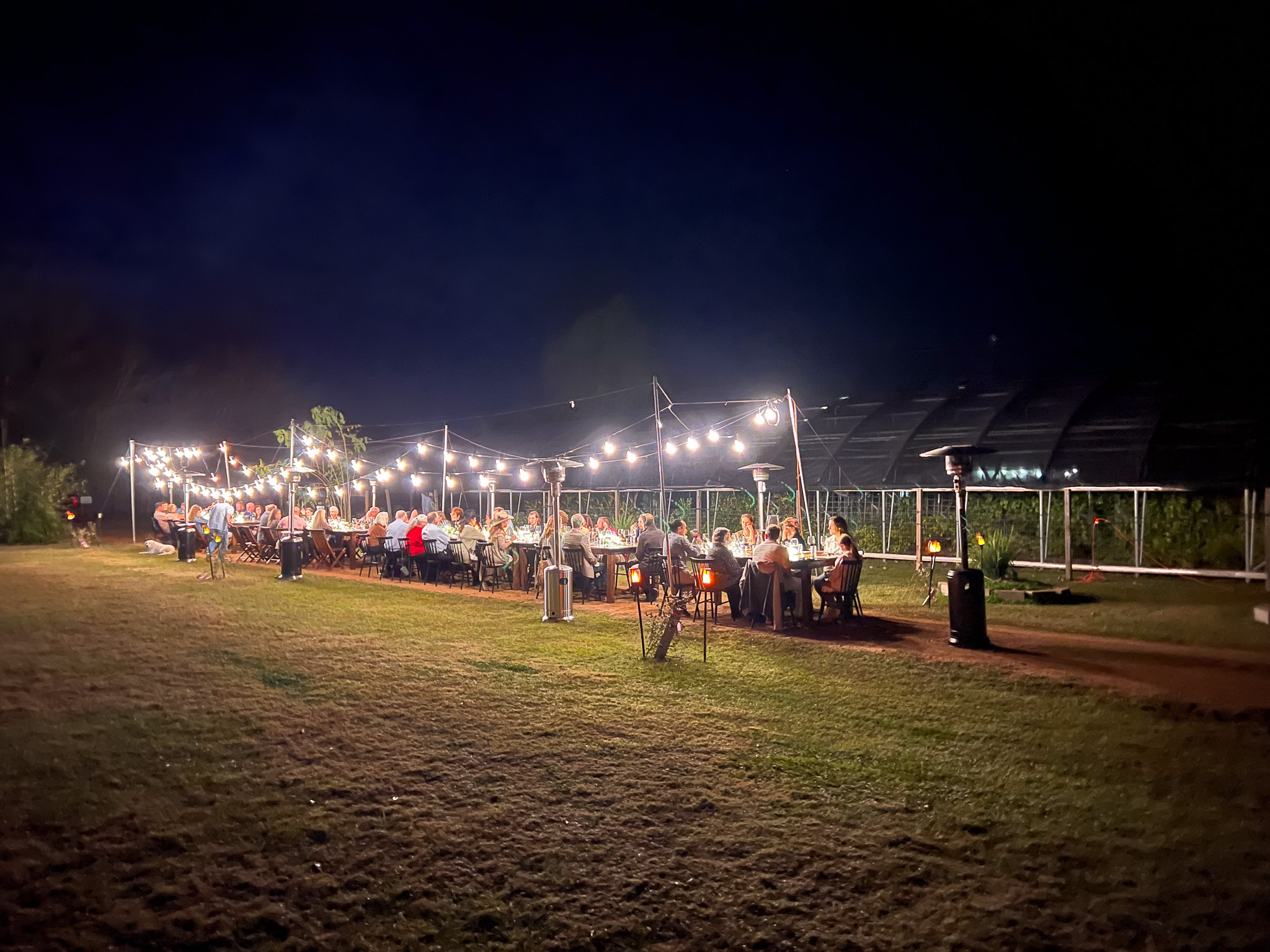
Starting seeds in an un-cooled greenhouse or shade house during July and August, in Texas, is one of the most challenging things a gardener can do. Looking at the chart germination temperatures of veggies we want to enjoy October onward are not exactly a match to the temperatures we have in the greenhouse right now, or for awhile but with a little coaxing, maybe a few tricks, you can get them started.
September 17, 2014
Artist Journey Through is coming to Blackwood in 2015
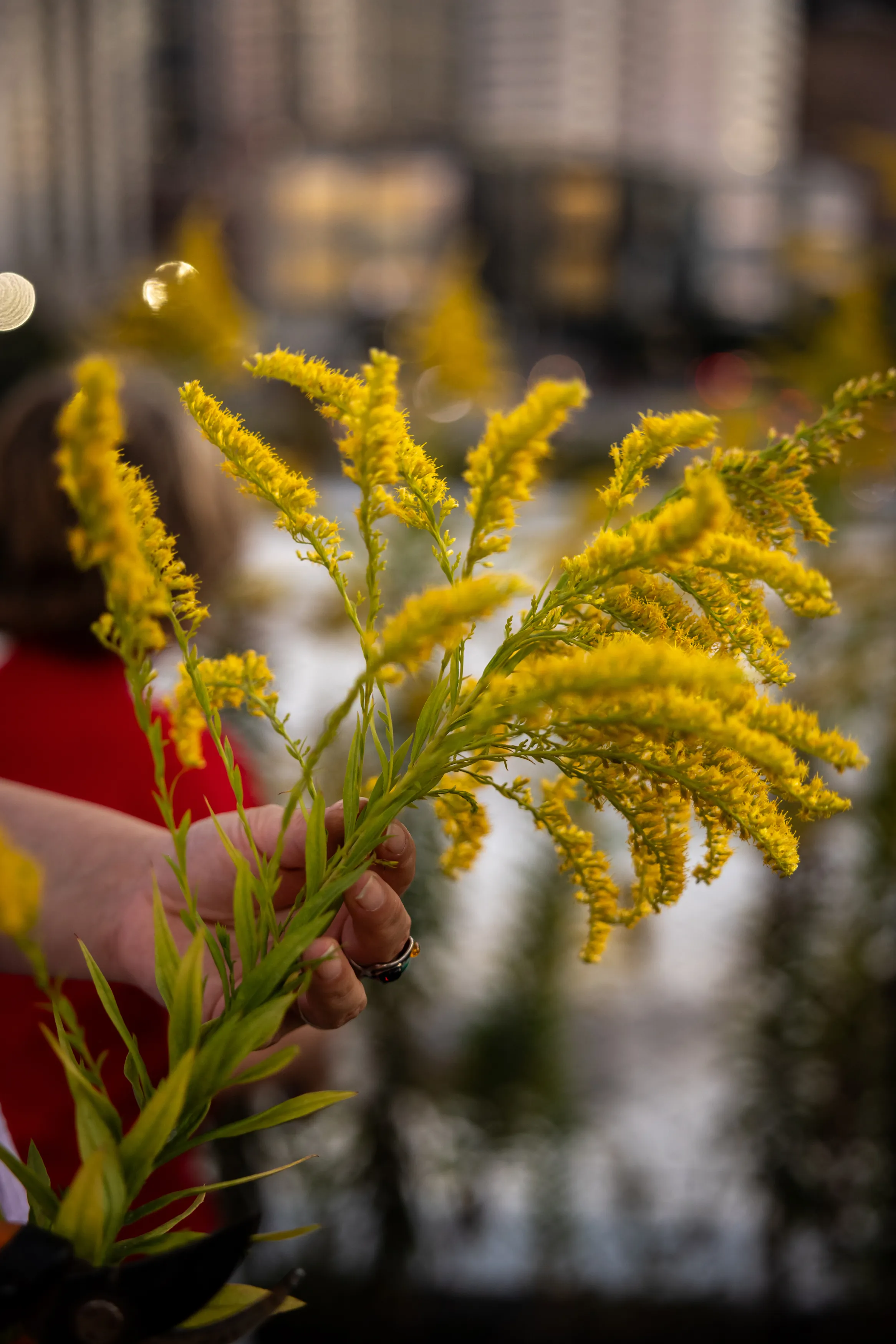
We are so fortunate to know Heath Brodie, who is coming to Blackwood to create a special exhibit for our enjoyment. Camper parents, you may recognize this artist because Heath is the Kiwi artist that created natural mandala art with Blackwood Nature campers two years in a row.
October 9, 2014
Native Fall Season Bounty – Permaculture Zones 3 – 5
Temperatures finally slipped into a cool glide this week, along with a soaking rain that brought a vibrant green to pastures and landscapes, perhaps one last time. Cruising the country roads of Montgomery, Waller, Washington and Austin Counties, I couldn’t help but note the native bounty (food, fiber, medicinal plants) of the season was at or near harvest stage.
October 9, 2014
A Hands-On Lesson in Soil pH
As an organic grower for nearly 3 decades, if I had to point to one topic of knowledge where organics started to work for me in a practical way it’s when I began to fully grasp the nature and power of soil.
November 21, 2014
Pulling the Conceptual Framework of a High Tunnel Out of the Box
A question posed in the high tunnel presentation I gave at Bioneers 2014 Conference (November 2). What is a high tunnel? What distinguishes a high tunnel from a greenhouse? The answer to this question depends on who is asked…
November 21, 2014
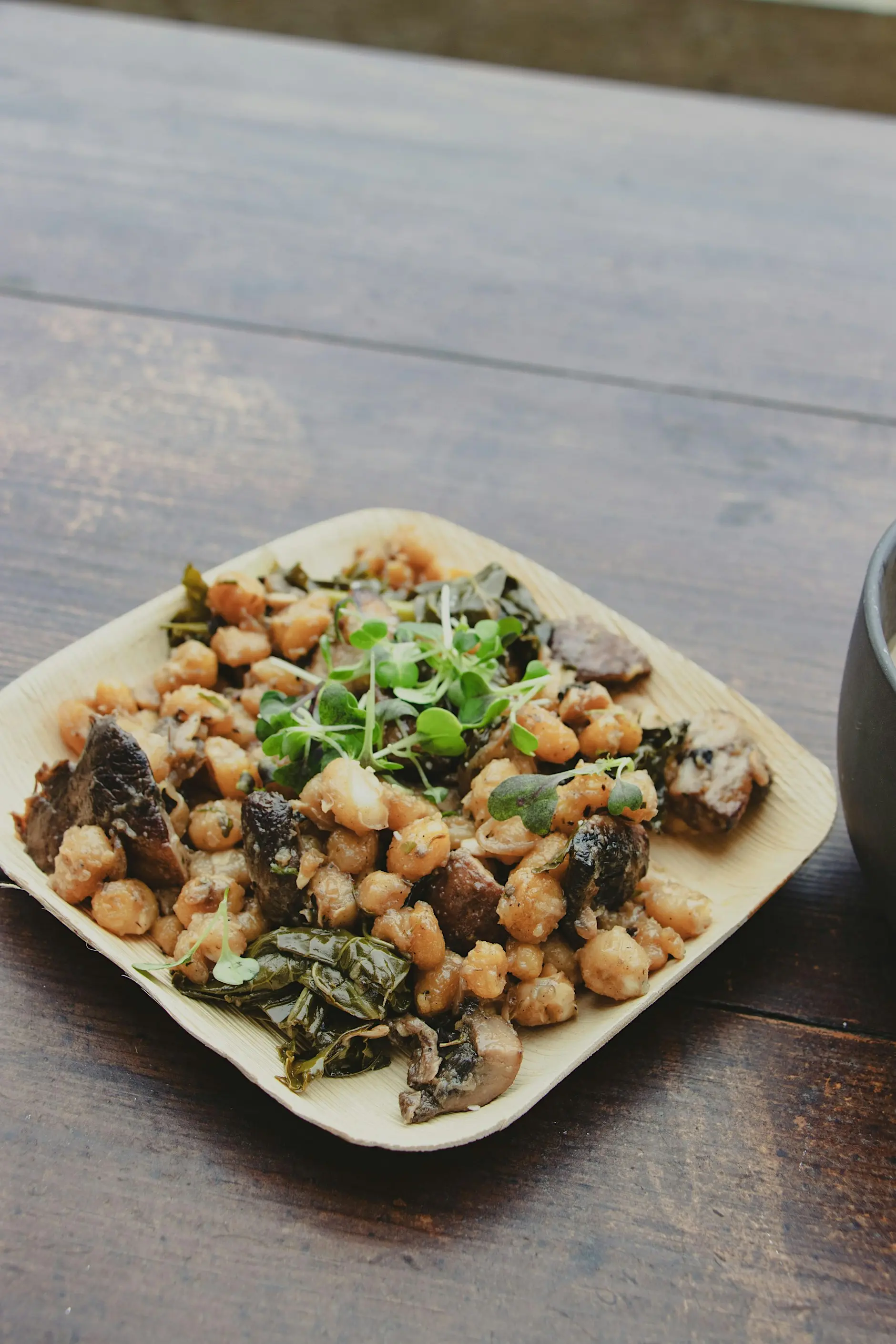
Vegan Soil Fertility?
It’s extremely difficult for a fertilizer manufacturer (no matter how good the product ingredients) to craft a fertilizer that fits everyone. Think about walking into a clothing store that has only 3-4 sizes of each item. One size fits all fertilizer is not only awkward, it can actually be counterproductive.
November 21, 2014
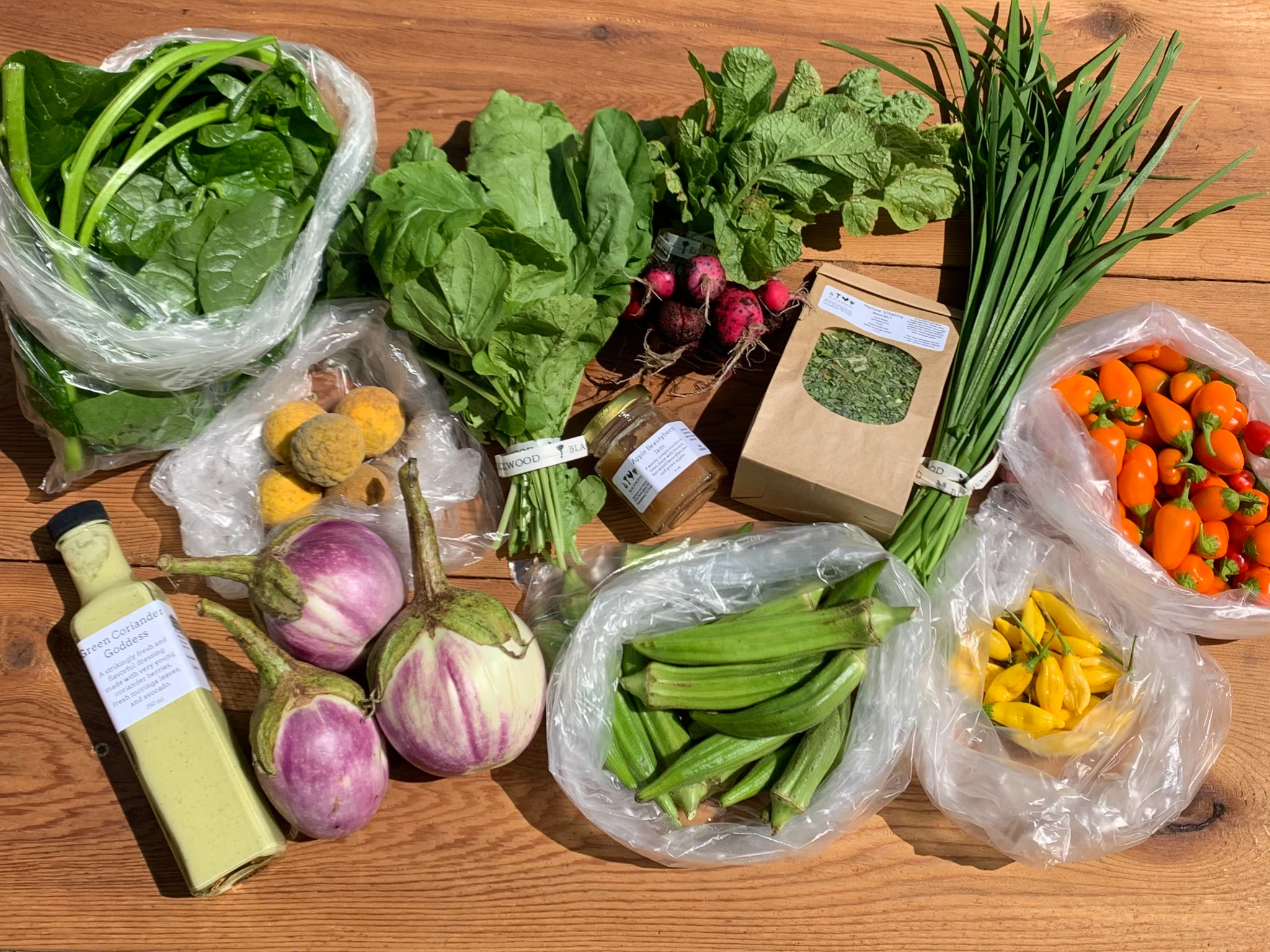
Storing Baby Ginger
Keep in mind that baby ginger is quite different, more delicate/tender and fruit/vegetable-like, than the ginger most of us are familiar with. Follow along as Hans explains storing baby ginger.
November 21, 2014
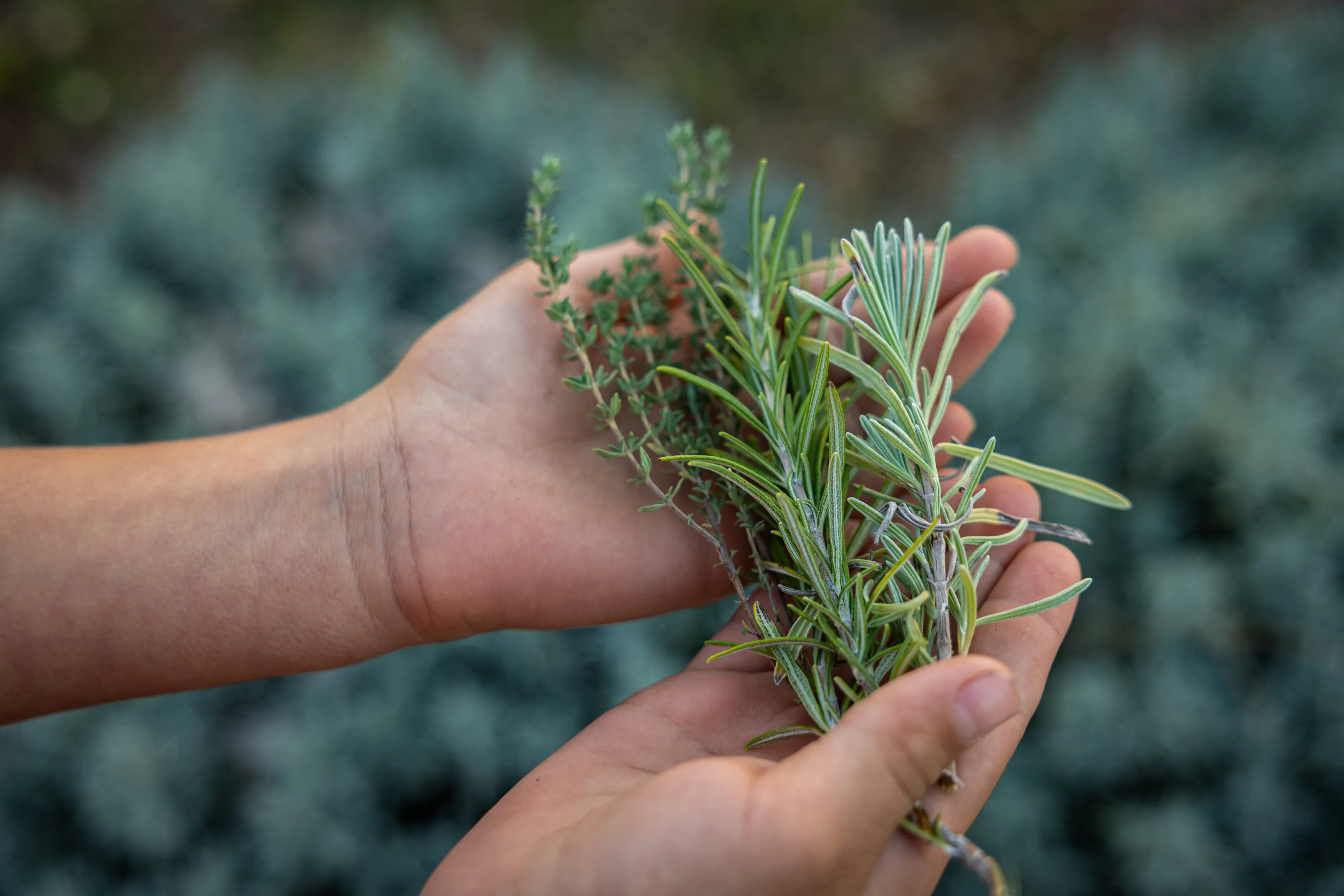
River Birch (Betula nigra)
River Birch is a handsome multifunction all-zone permaculture tree that deserves more attention. Farmers in northern regions tap both Sugar Maple (Acer saccharum), and from several species of Birch.
November 22, 2014
Wood Violet Birch Syrup
It’s a bit early to tap birch or harvest violets but that time is not far away. I had an idea of combining the hues and flavors of birch and violets in a syrup, that I have not tried but don’t see any reason why it wouldn’t work.
October 26, 2015
Spring Farm Stories
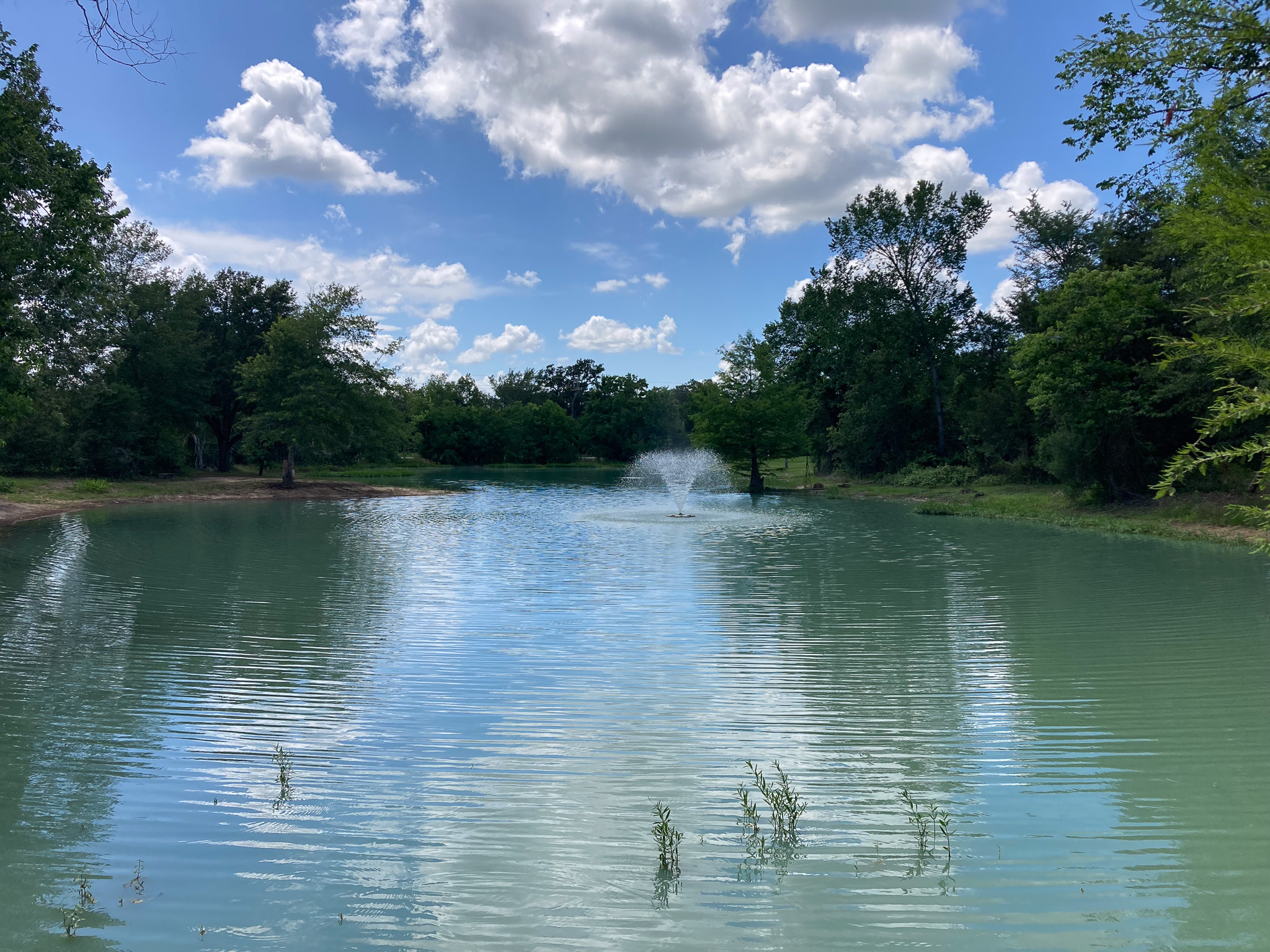
Read some stories from the farm!
July 5, 2016
“A” is for Aquaponics
Aquaponics is a method of farming that combines “aquaculture” and “hydroponics.” In a hydroponic system, there are no fish. In an aquaponic system, there are. Basically, you’re growing two things at once in an aquaponic system.

July 8, 2016
“B” is for Biodynamics
Biodynamic agriculture is similar to traditional organic methods, and is considered one of the first forays into organic agriculture and the farming methods have some almost mystical practices built into it. While some are questionable, like burying a cow’s horn for crop success, others have been widely adopted by modern farmers.
July 11, 2016
“C” is for Crop Rotation
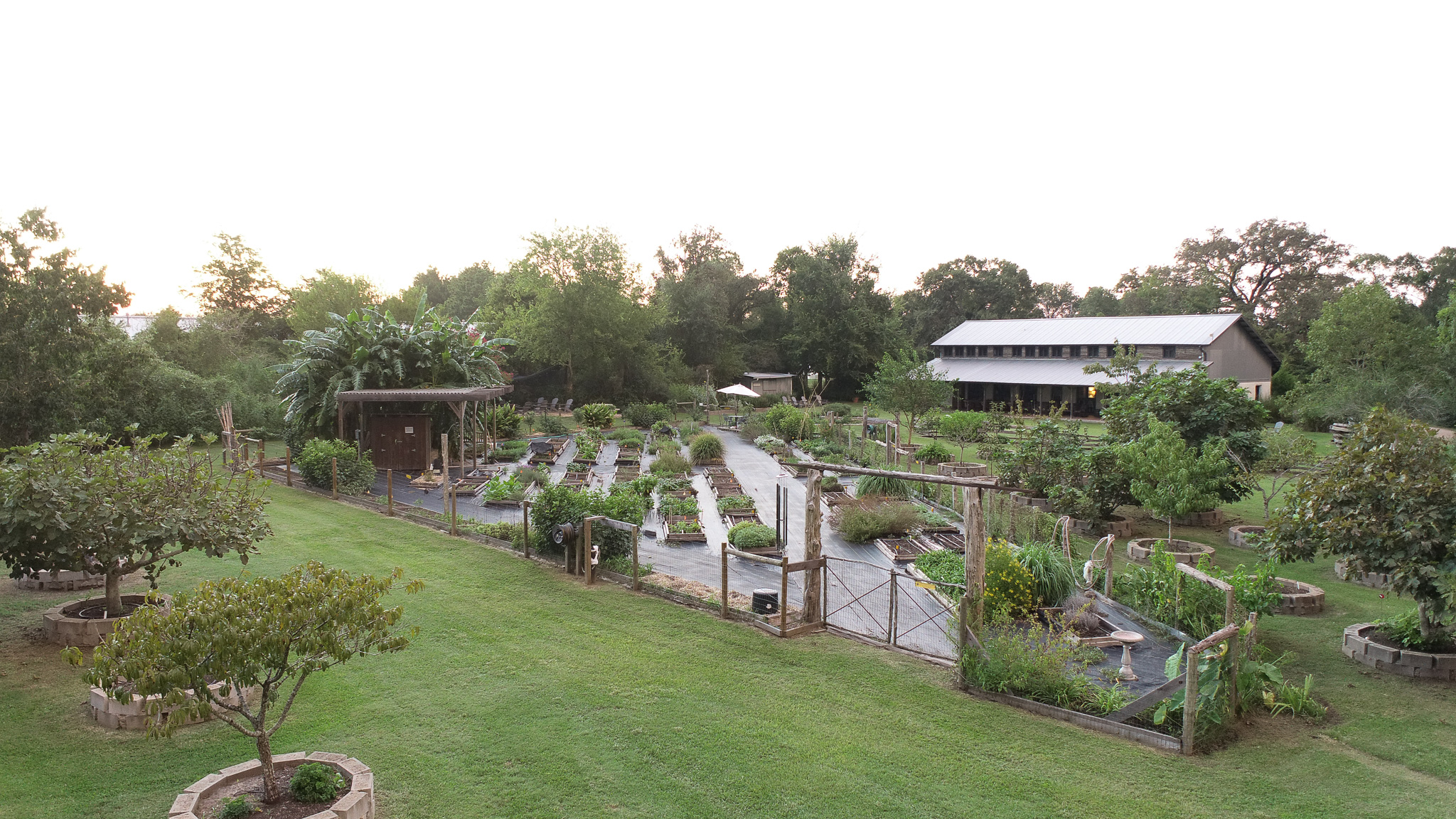
Crop rotation is a practice that has been practiced for centuries. However, the concept of letting fields lay fallow didn’t come about until the 11th century, when farmers finally adopted the three plot planting system.
July 14, 2016
“D” is for Diversity
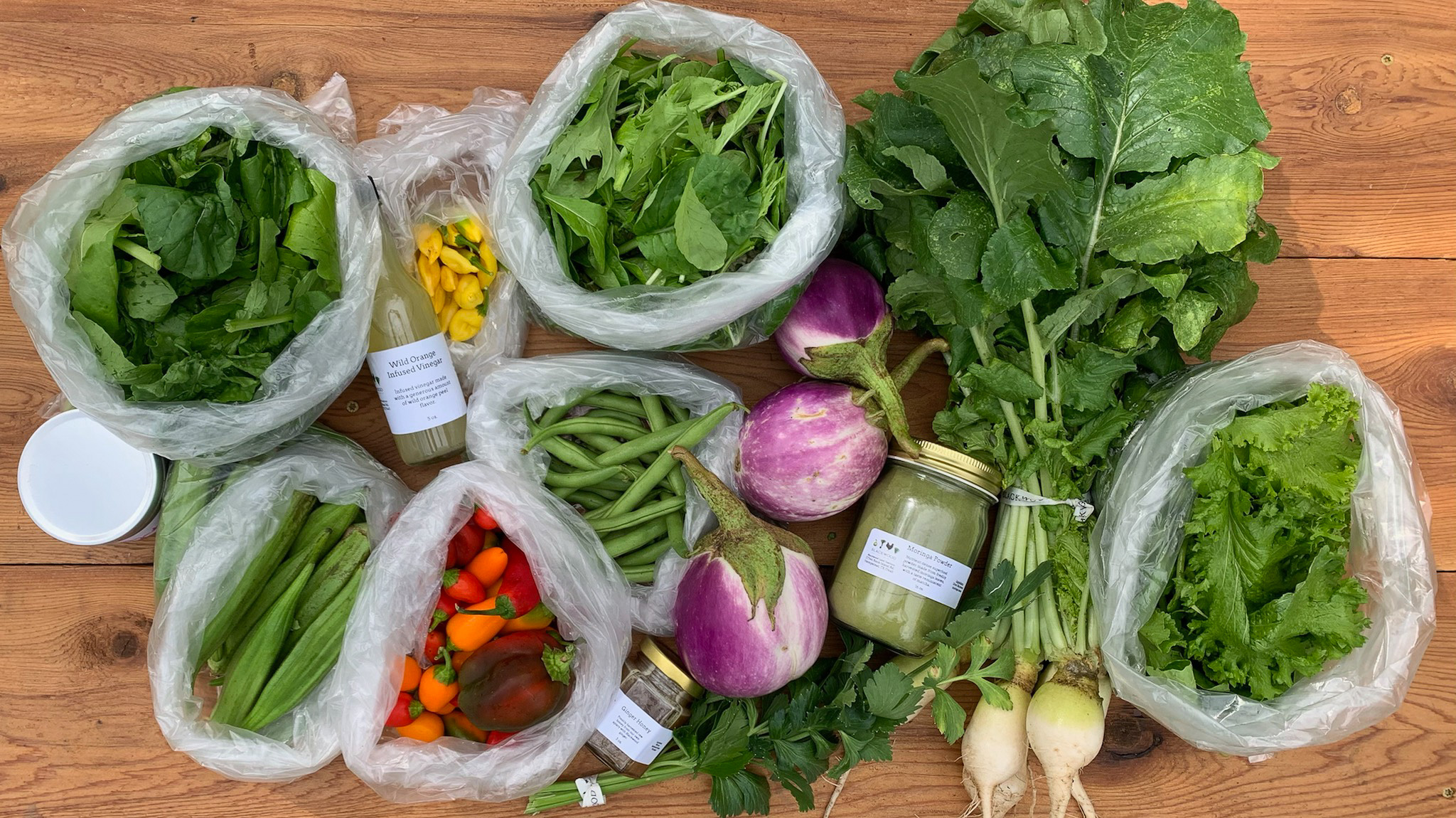
Diversity is a loaded term in sustainable agriculture. We see it being significant in two ways: biological diversity and demographic diversity.
July 23, 2016
“G” is for Green Payments
Green Payments are paid to farmers as compensation for any environmental benefits that have accrued as a result of their farming practices. This type of program is already underway in other developed countries to provide habitat services, ecological services, and amenity services.

July 18, 2016
“E” is for Ecosystem
The process of every ecosystem has an energy flow and a cycling of materials throughout it. While the agricultural ecosystem is a relatively simple, man-made system, it is the inter-relationships between each component of the system that are important in keeping the system moving freely. That means that all the inputs and outputs of the system are well-balanced.
July 20, 2016
“F” is for Forest Farming
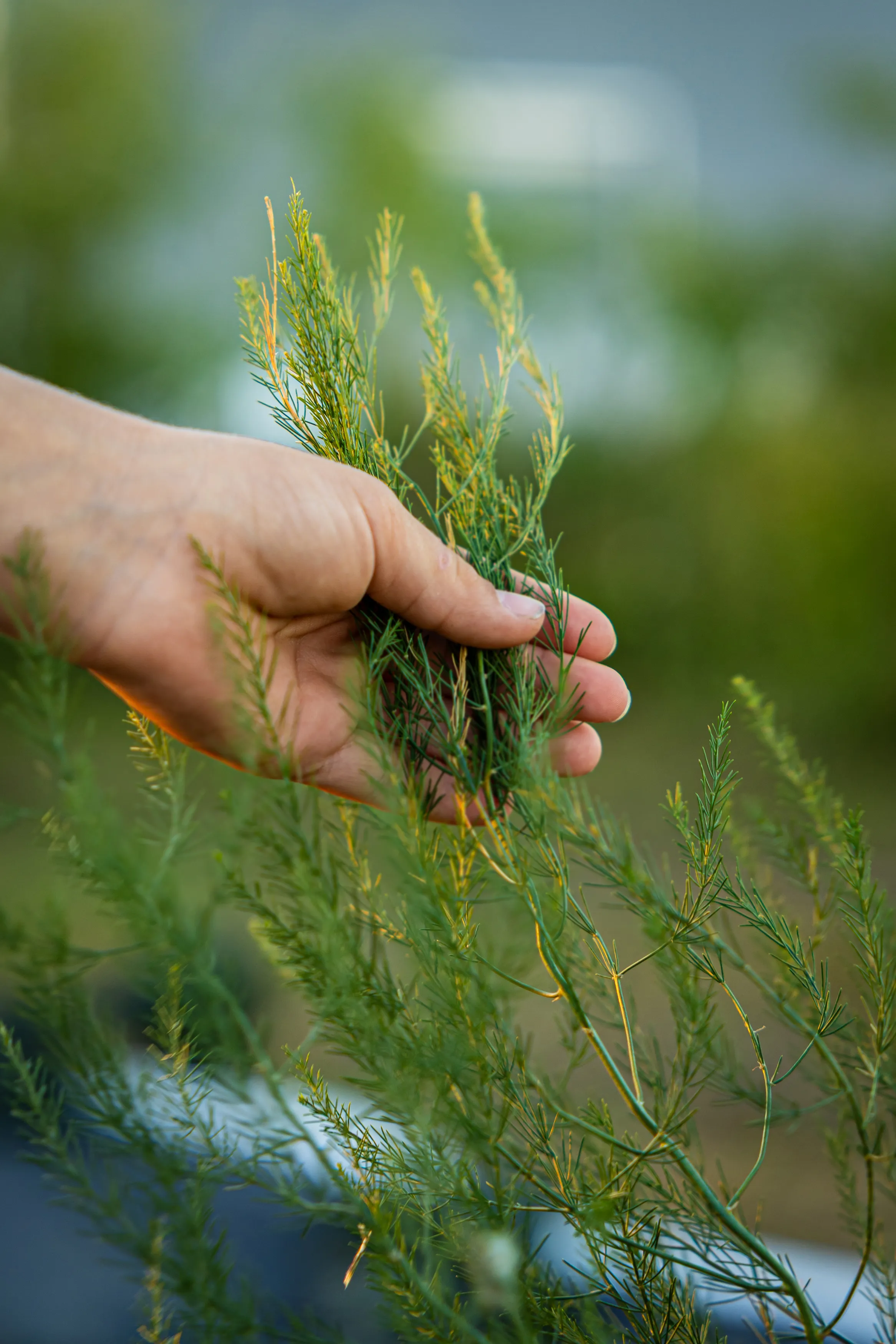
Forest Farming involves cultivating high-value, specialty crops under the protection of a modified forest canopy that provides the correct amount of shade. If the farmers are conscious of the land they’re harvesting, growing a wide variety of crops, and not using pesticides to do it — we think that’s pretty sustainable!

August 1, 2016
“J” is for Jobs
There’s a world of difference between finding a job and engaging in good work and/or developing a rewarding career. Both good work and jobs should provide the worker with a decent living, but good work goes beyond that: good work enables the worker to perfect their natural abilities. Agriculture is a field that needs people with a passion for nature and sustainability, so if agriculture is your true good work, there are plenty of openings.
July 26, 2016
“H” is for Holistic Management
Holistic Management (HM) is an approach to managing agricultural resources, originally developed by Allan Savory as a solution for the desertification of nearly 2/3rds of the earth’s land. Savory promises a million and one great things through his approach with holistic management, but are they too good to be true?
July 29, 2016
“I” is for Integrated Pest Management
IPM focuses on long-term prevention of pests and their damage through a variety of techniques such as biological control and habitat manipulation.
August 4, 2016
“K” is for Kyusei Nature Farming
Kyusei Nature Farming broadly means to “save the world through natural farming.” Kyusei Nature Farming is a combination of organic farming and Effective Micro-organisms which boost soil conditions and yield a greater number of crops, resulting in an “Ideal Agriculture.”
August 7, 2016
“L” is for Local Community Food System
Our current agriculture policies encourage the growth of large-scale food systems on a globalized scale. However, this large-scale has negatively impacted our environment and our local economies, causing a movement back to a small-scale: food systems within our local communities.
August 10, 2016
“M” is for Managed Grazing
Managed grazing is when livestock only graze in one part of a pasture (paddock) at a time, allowing the other parts of the pasture to “rest” in between, which promotes the growth of grasses. Read more about how it works.
August 13, 2016
“N” is for Nutrient Management
Sustainable and environmentally friendly, nutrient management is the practice of using and adding soil nutrients as efficiently as possible to increase productivity of crop yields.
August 16, 2016
“O” is for Organic
The debate between “organic” and “sustainable” is ongoing. Although we often speak of them as such, the two terms are not interchangeable. Organic farming must follow the above regulations, but that doesn’t always mean an organic farm is a sustainable one.

August 19, 2016
“P” is for Permaculture
Permaculture is both a farming method and an ideology on how to create a better world; a sustainable practice and mindset designed specifically for human spaces.

August 22, 2016
“Q” is for Quality of Life
A core foundation to sustainable agriculture is that it must viably produce enough food to accommodate a given population. The first way sustainable agriculture aids our quality of life is by ensuring we will all have enough to eat.

August 31, 2016
“T” is for Tillage (Conservational)
The traditional method of tilling involves turning up the soil of an entire field with a machine, removing the past year’s crop completely to make the field a clean slate for planting. Conservational tillage practices offer environmentally and sustainably friendly solutions to tilling fields and preparing them for new crops. Read more to learn how.

August 25, 2016
“R” is for Renewable Energy
Traditionally, farms are used to harvest produce and livestock, but there’s been a growing movement towards harvesting something new: renewable energy. Many farmers already use their land to produce renewable energy, read more to find out how.

September 16, 2016
Sowing & Growing With Rebecca Verm
From the backyards of rented houses and the fence-line between commercial properties, to nearly an acre of city easement on a property some friends were tired of mowing, Sown & Grown has farmed wherever we can find, because without a farm there is no farmer.

August 28, 2016
“S” is for Subsistence Farming
Subsistence farming and commercial farming are two very different styles of farming. Subsistence farming is about self-sufficiency, while commercial farming produces crops for global populations.
September 3, 2016
“U” is for Urban Planning
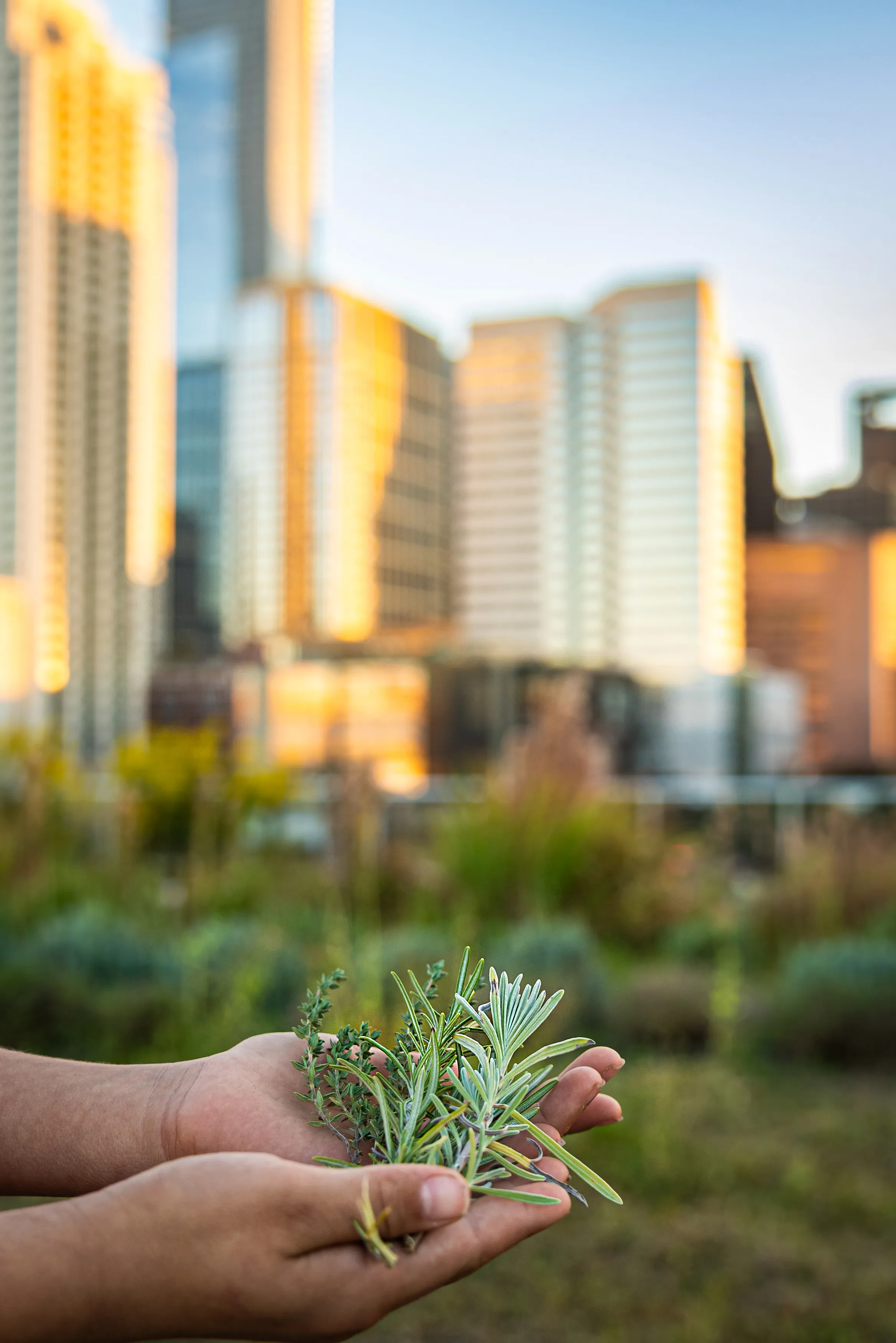
Urban planning is the solution to city living and farm-fresh eating, by incorporating ways to grow produce within a city infrastructure and it’s already taking the world by storm.
September 6, 2016
“V” is for Vertical Farming
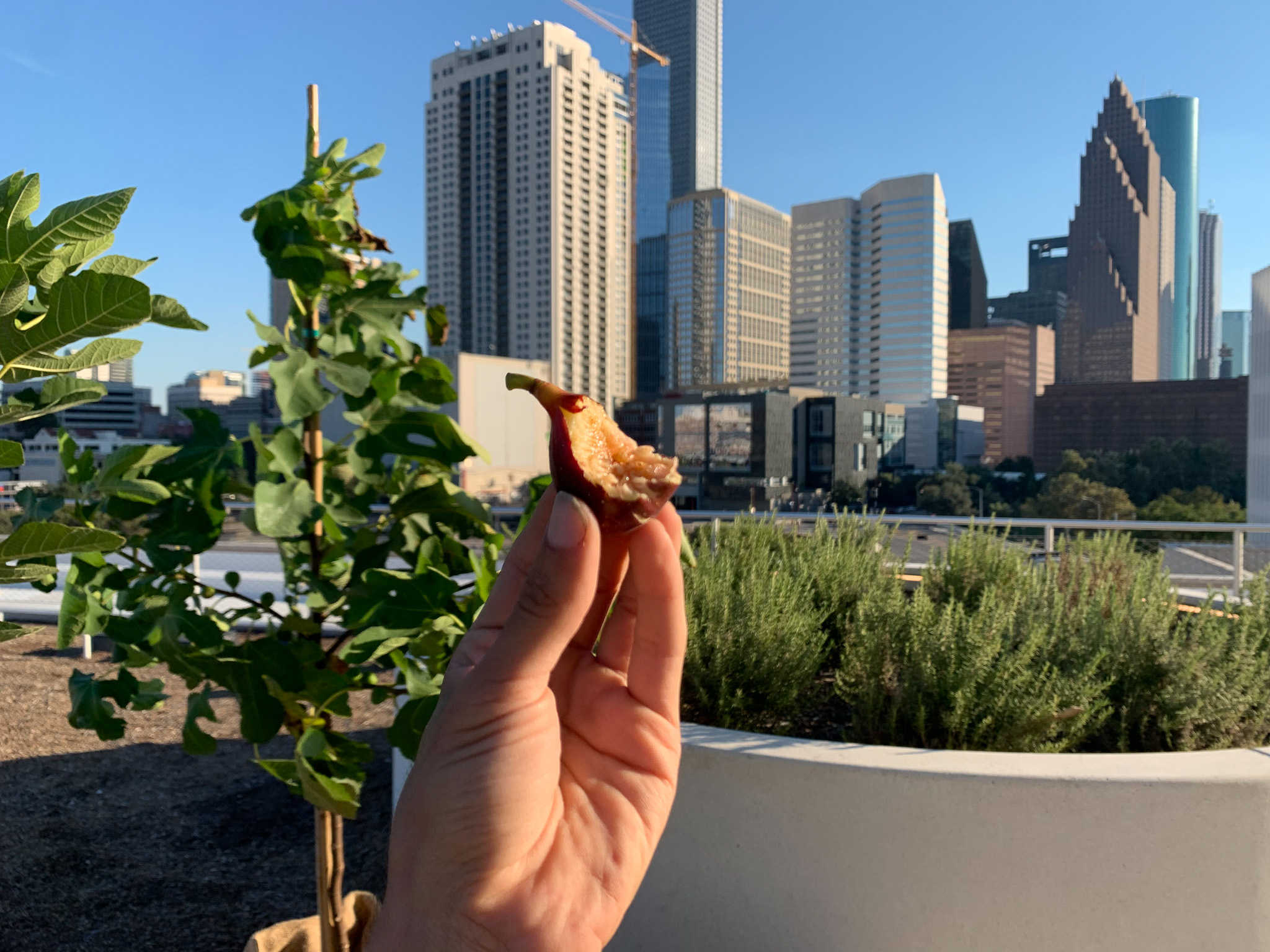
The problem: By 2050, it is predicted that the earth will no longer have enough land to sustain a growing human population. The solution: Vertical farming. Vertical farming is exactly what it sounds like: Farming, but up.

September 18, 2016
“Y” is for Yield
The goals of sustainable agriculture are to preserve the natural systems and resources that farming relies on, and to produce a high yield that will accommodate a constantly growing human population. Sustainable agriculture practices have actually been proven to provide high crop yields because of their environmentally-conscious ways of farming.

September 21, 2016
“Z” is for Zone (Buffer)
There is really no limit to what a farmer can plant as a buffer. Grass, shrubs, trees, and a variety of crops for harvest can be used. The only distinction is that, even though the farmer will tend to these products grown in the buffer as organic, they must be sold as conventional.

September 30, 2016
The Land with Cath Conlon: Restoring Blackwood’s Coastal Prairie
For more than 20 years, Cath Conlon has been stewarding the land at Blackwood Educational Land Institute. Without her vision, we’d be nowhere. To celebrate her passion and success, and show the world how we plan to keep moving forward, we’re starting a series about Cath’s vision and what she’s up to on The Land.

October 14, 2016
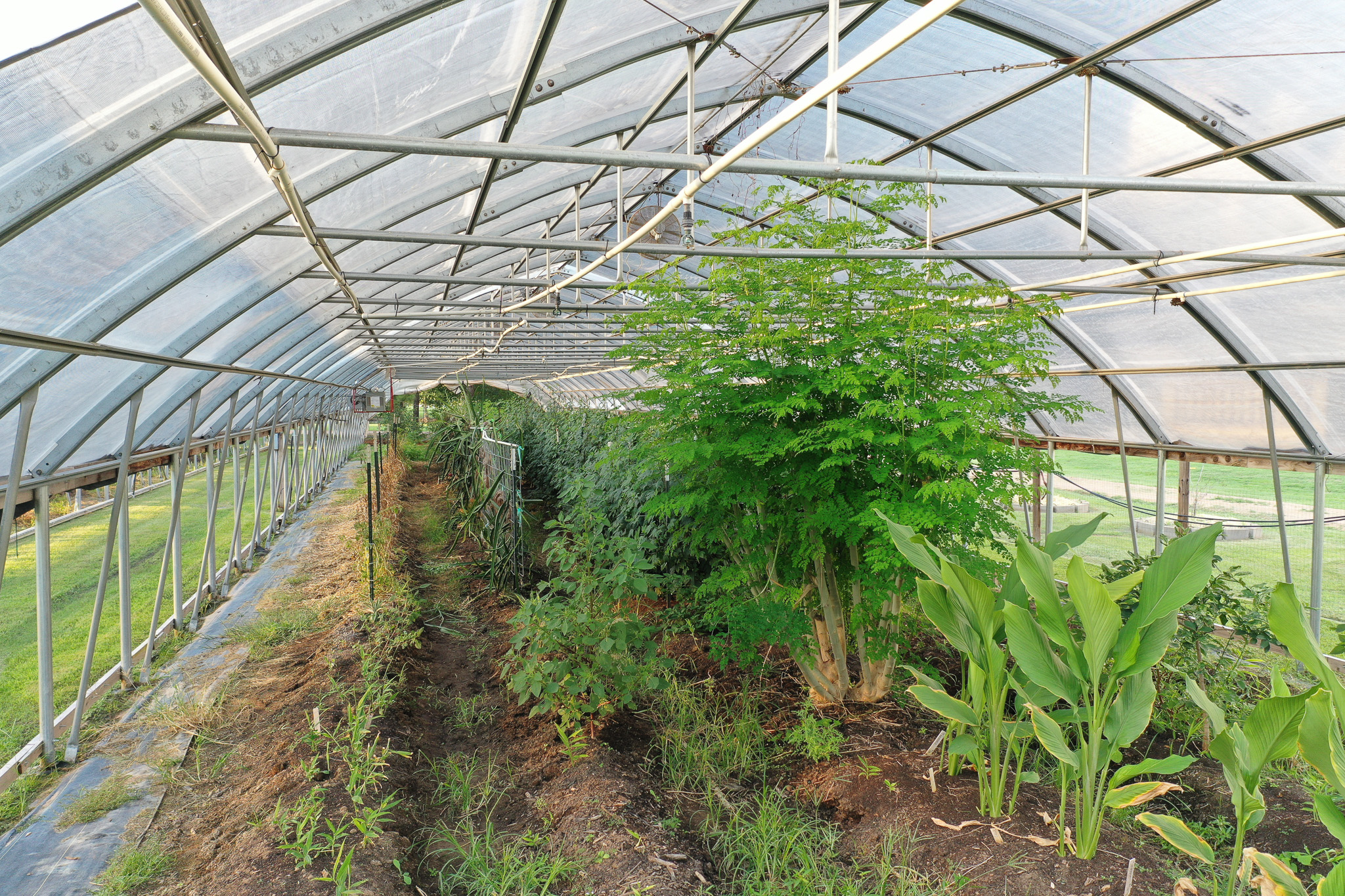
Blackwood’s High Tunnels
The ultimate goal of the High Tunnels is education. Through new opportunities offered by the tunnels, Blackwood wants to cultivate its environment as a place where young farmers can learn and feel supported at all times. That means using new technologies, like the High Tunnels, to give these young farmers and educators access to tools to help them research, experiment and grow.

October 28, 2016
Blackwood’s Children’s Garden
Blackwood Land has many locations perfect for an adult to work in, play in, and take in all of nature. But nature does not only need the love and respect of adults and neither, Blackwood figures, should they. This need for a space for children has led to the Children’s Garden, a space just for kids on the Land.

No matter if local food has been in your life for years of if it’s just now on your radar, if you’re looking to support local and sustainable agriculture in the new year, there are many things you can do.

June 20, 2017
Meet our summer interns!
The most intriguing and passionate people find a way of connecting with us here at Blackwood. We love getting to foster relationships with the ever-curious and create space for them to support our work at Blackwood. This summer, we’re delighted to have two interns to help us manage Blackwood day-to-day operations, and to also leave a legacy for the future of what our campus will become.

October 10, 2017
Farm to Table Experience – September 30, 2017
The Farm Dinner Experience at Blackwood is more than just a dinner. From strolls through the garden to a live beehive demonstration to sampling farm fresh produce and infused honeys, the team at Blackwood truly puts their heart into creating a unique and authentic experience.

February 27, 2019
Mobile Chicken Coop
A comfortable, summer-friendly home with plenty of space for our growing flock of 87 happy hens. Check out our newly renovated mobile chicken coop.

April 28, 2022
At Market This Week: April 30th at Urban Harvest
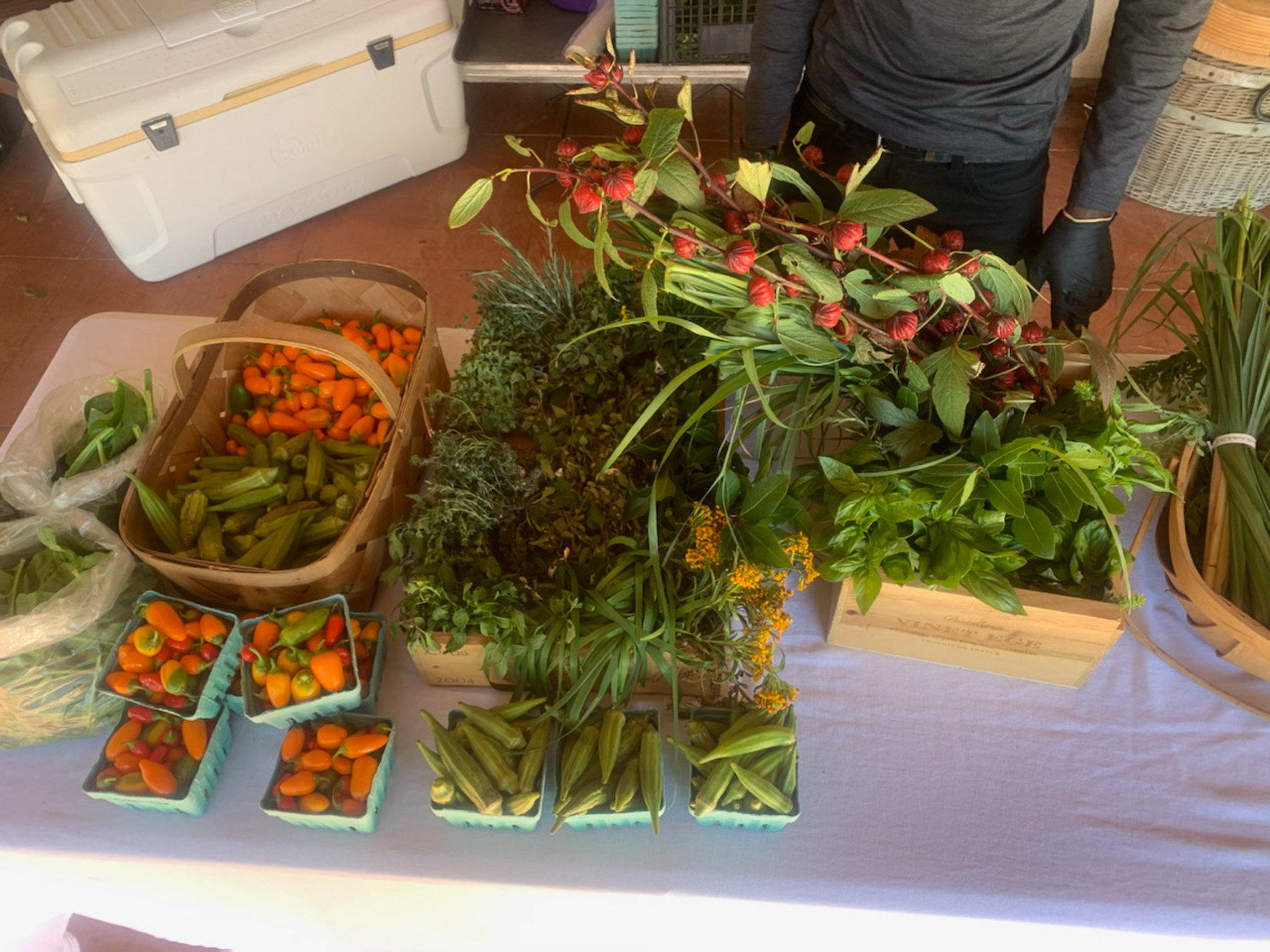
Blackwood teas are created from the bounty of herbs we grow in the regenerated Texas soil of our Kitchen and Hopscotch gardens, or from nutritive plants or herbs we forage from our own back yard. All Blackwood teas provide some therapeutic effect through the carefully selected combinations of ingredients, but also taste delicious.

August 10, 2022
Summer Nature Camp 2022 Recap
Another Nature Camp season has come to a close, and our staff has been reflecting on all the fun memories made and new friendships forged throughout the summer.
January 15, 2023
A Look Back on 2022 at Blackwood
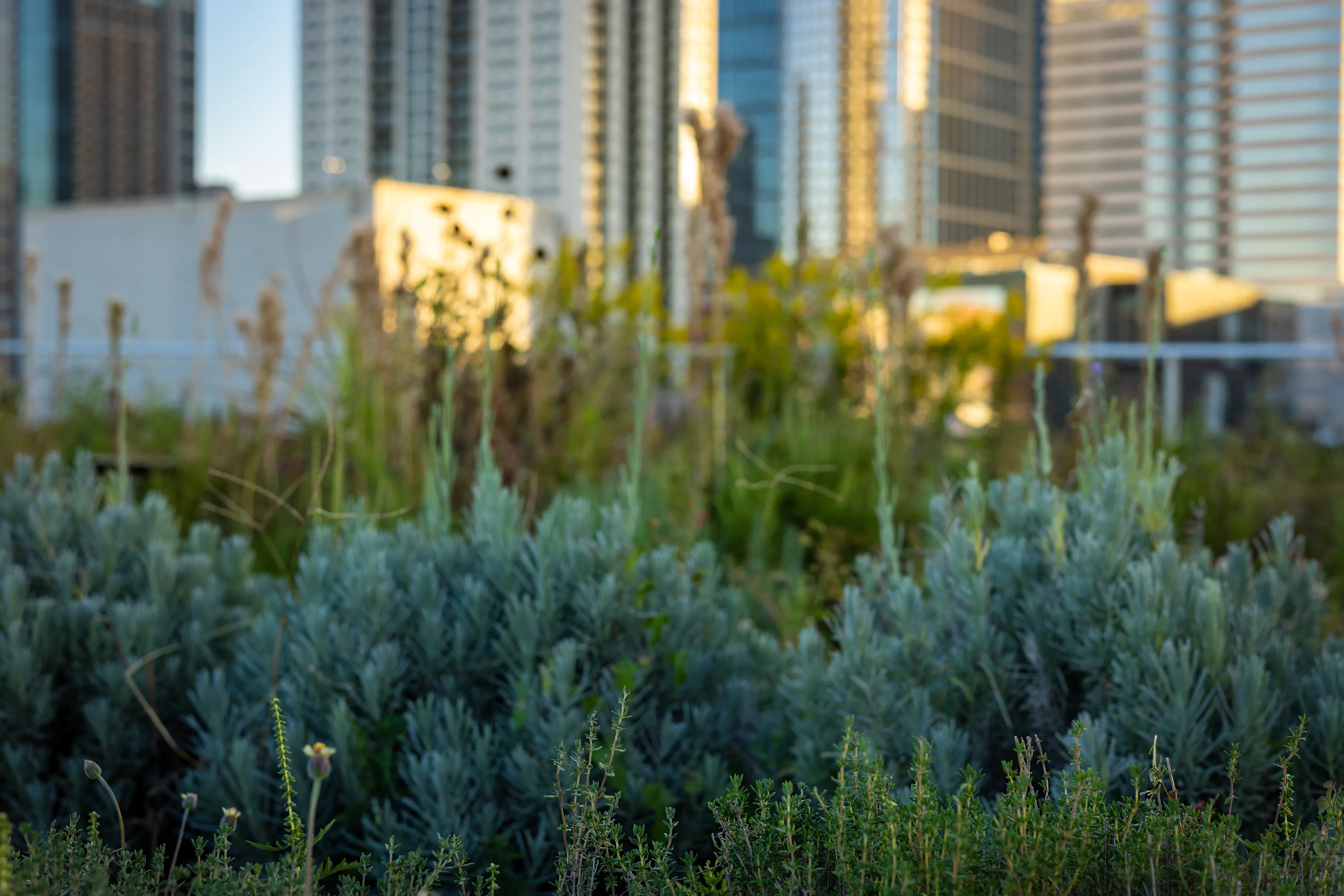
From the launch of the Skyfarm at POST Houston and a feature segment on Good Morning America to our first gala dinner in the fall, 2022 was a banner year for our organization. To our dedicated volunteers, staff members, donors, partners, and camp families, thank you for supporting Blackwood’s mission!

February 6, 2023
Meet The Camp Director: Aidan Mollhagen
We sat down with this year’s Camp Director, Aidan Mollhagen, a fourth-year philosophy student at the University of Texas at Austin. Aidan has been actively involved with Blackwood for many years, and we’re grateful to have him returning to Nature Camp staff this year as Camp Director.

February 7, 2023
Why Choose Nature Camp?
Blackwood Nature Camp is a week-long, overnight boys and girls camp for ages 8-14. The purpose of Nature Camp is to provide children with the opportunity to step away from their screens and busy lives and spend time outdoors, making friends, and learning about themselves and their connection with nature.
February 14, 2023
Sharing the Love: Community Fundraising & Special Volunteer Day on February 25 at the Skyfarm
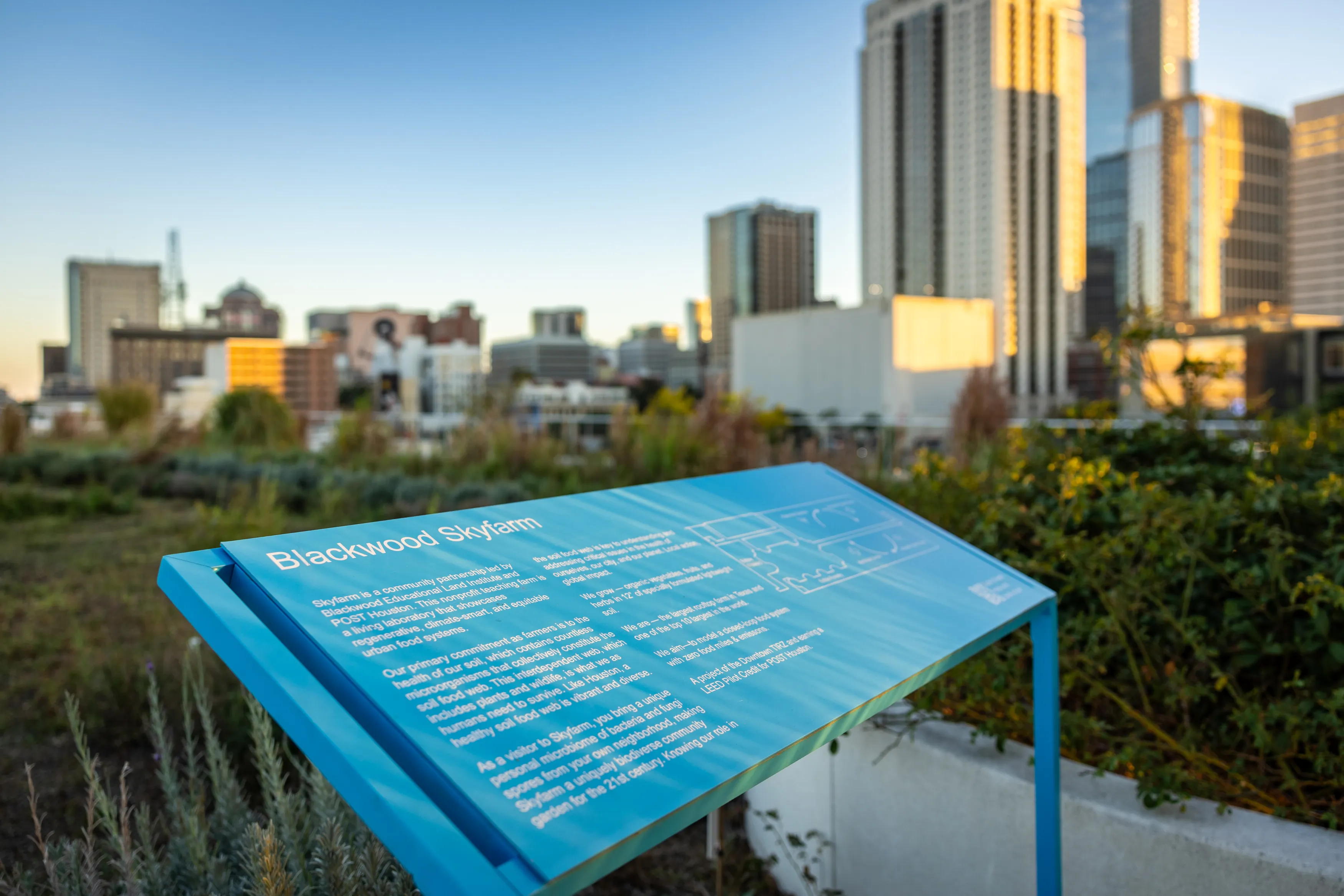
Marlin & Aaron will raise funds throughout the month and invite friends, donors, volunteers, and all of Houston to celebrate and share the love with them on Saturday, February 25 at a Special Skyfarm Volunteer Day.

December 7, 2024
Why You Need Wilderness Medicine Training
We will be offering the next Wilderness Advanced First Aid (WAFA) course on March 11-14, 2027, with our outstanding instructor Tim Graham.
Be a part of the regenerative movement
Reconnect with the land, grow real food, and be a part of restoring the earth in a tangible, meaningful way.